
Mary Egger, LCPC, LPC
Licensed in Kansas · 12 years in practice
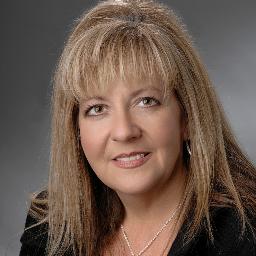
Mary Egger greets readers with a direct focus on practical help.
License and registration
- LCPC, Kansas
- LCPC 2361 · expires May 2026
- LPC, Arkansas
- P2408017 · expires May 2026
- NPI
- 1972856748 · national provider identifier
- Years in practice
- 12
- Languages
- English
Details are as listed on the therapist's public professional profile. You can check any license with the state board and any NPI with the national registry.
About Mary
Mary Egger greets readers with a direct focus on practical help. She is a Licensed Clinical Professional Counselor (LCPC) with more than 12 years of experience. Mary aims to make starting therapy less intimidating and to help people take one manageable step at a time.
She has worked extensively with people on the autism spectrum, supporting both individuals and the people who care for them. That background shapes how she plans sessions and how she explains skills.
Background and approach
Mary uses play-based techniques when helpful, and she adapts activities so they fit different ages and communication styles. Mary draws from approaches that teach new ways to cope and to respond to strong feelings. She often combines acceptance and commitment ideas with practical skill building from cognitive behavioral strategies.
For people who have experienced trauma, she also uses trauma-focused tools and EMDR when appropriate. Sessions focus on clear goals and on skills that can be practiced between meetings. Mary helps clients work on stress, anxiety, grief, low self-esteem, parenting strain, ADHD-related challenges, and life transitions.
She also supports folks facing compassion fatigue and mood concerns such as depression and bipolar-related symptoms. Her work is straightforward and goal oriented. New clients complete a short matching questionnaire, then schedule sessions that fit their life.
Mary practices in Kansas and holds LPC credentials as well as the LCPC designation.
Focus areas and approaches
Everything Mary lists on their public professional profile, in their own terms.
- Stress, Anxiety
- Family conflicts
- Trauma and abuse
- Parenting issues
- Self esteem
- LGBT
- Grief
- Anger management
- Bipolar disorder
- Depression
- Coping with life changes
- Compassion fatigue
- ADHD
- Adoption and foster care
- Autism and Asperger Syndrome
- Intellectual disability
- Young adult issues
Approaches Mary names
- Acceptance and Commitment Therapy (ACT)
- Client-Centered Therapy
- Cognitive Behavioral Therapy (CBT)
- Dialectical Behavior Therapy (DBT)
- Eye Movement Desensitization and Reprocessing (EMDR)
- Trauma-Focused Therapy
Naming an approach is not evidence of training in it. This directory copies what each therapist lists and does not check training records.
Online support
How Mary blends common approaches for online care
Acceptance and Commitment Therapy focuses on noticing difficult thoughts and making room for valued action rather than getting stuck trying to remove every uncomfortable feeling. It can help people who feel overwhelmed by anxiety or who want clearer direction in life. Cognitive Behavioral Therapy is about spotting unhelpful thinking patterns and practicing small behavior changes that reduce distress; it works well for anxiety, depression, and everyday stress. Eye Movement Desensitization and Reprocessing is a trauma-focused method that aims to reduce the intensity of painful memories and their emotional impact for people who have experienced traumatic events.Finding the right approach is a team effort. Mary collaborates with each person to decide which methods fit their history, goals, and comfort level. She explains options, tries techniques in session, and adjusts plans based on what helps most in real life.
Online therapy offers practical benefits for this work. Video calls let therapists and clients use visual cues and interactive exercises. Phone sessions are useful when bandwidth is limited or a quicker check-in is needed. Live chat and text-based messaging allow brief check-ins, skill reminders, and flexibility during busy weeks. These formats make it easier to continue steady work on goals while fitting therapy into a real schedule.
We will earn a commission if you sign up through our link, at no cost to you. It does not change what you pay or the order of the listings.
Questions people ask
What kinds of concerns can be addressed in sessions?
Mary helps people managing stress and anxiety, grief, low self-esteem, trauma and abuse, parenting strain, ADHD, compassion fatigue, mood concerns like depression and bipolar symptoms, and related life changes.
What is her general therapy style?
Her approach is practical and collaborative, blending acceptance-based ideas with cognitive and trauma-focused tools. Sessions often include skill practice and simple activities to try between meetings.
How much experience does she have?
Mary has over 12 years of professional experience working in clinical settings, including extensive work with people on the autism spectrum.
Where is Mary licensed and located?
She holds LCPC and LPC credentials and practices in Kansas; the profile shows Kansas as her location and licensure details as KS LCPC and AR LPC.
Which languages are supported for sessions?
Sessions are offered in English.
Can I work with her from outside the United States?
International clients are not currently accepted; sessions are provided to clients within the therapist's supported regions.
What session formats are available online?
Mary offers video calls, phone sessions, live chat, and text-based messaging to fit different schedules and communication preferences.
How does cost and scheduling work?
Cost varies by location and therapist availability and uses a subscription model that can be canceled at any time. To begin, select the Start Therapy button, complete a short matching questionnaire, and schedule according to availability.
More therapists in Kansas
See allJacqueline "Jackie" Pattison
LCPC
Compassionate guidance for life's hard moments
- Stress, Anxiety
- Relationship
- Family
Gregory Gober
LPC, LCPC
Compassionate counselor for practical life challenges
- Stress, Anxiety
- Relationship
- Trauma and abuse

Misty Humphrey
LCPC
Practical support for anxiety and trauma
- Stress, Anxiety
- Trauma and abuse
- Self esteem

Karla Brockman
LCPC
Experienced counselor for practical coping strategies
- Stress, Anxiety
- Trauma and abuse
- Grief
Is this your profile?
Ask us to correct details or take the page down.
Contact us