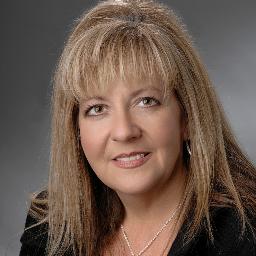
Juanita Ross
LCPC
Experienced Montana LCPC focused on practical change
- Stress, Anxiety
- Trauma and abuse
- Anger
Montana 19 yrs
Clinical social work directory
706 therapists list trauma and abuse among the things they work with. All offer sessions online, and every profile shows the registering body, the membership number and when it runs to.
On this page you will find profiles of clinicians who list trauma and abuse among their specialties. Each listing highlights focus areas, therapeutic approaches, languages, and relevant experience to help your search.
Browse the listings below to review individual profiles and learn what to expect from trauma-focused care.
LCPC
Experienced Montana LCPC focused on practical change
LCPC
Practical support for stress and life transitions
LCPC
Straightforward counseling for stress and relationships
MD, LCPC
Practical, collaborative counseling for everyday struggles
LCPC
Practical support for stress and emotional challenges
LCPC
Compassionate, practical support for changing inner dialogue
LPC, LCPC
Warm, practical counseling for life transitions
LPC, LCPC
Practical, strength-focused counseling for life changes
LPC, LCPC
Compassionate, practical counseling for everyday life
MD, LCPC, LPCC
Insight-driven counselor focused on relationships
LCPC
Compassionate, practical support for life’s hard moments
LCPC
Compassionate guidance for life's hard moments
LCPC
Therapist focused on practical support and growth
LCPC
Practical, compassionate counseling for everyday struggles
LCPC, LPC
Hopeful, practical therapy with an experienced clinician
LCPC
Compassionate counseling for practical change
LCPC
Experienced Illinois LCPC focusing on healing and practical change
LCPC
Compassionate counselor for relationships and life changes
LCPC
Calm, practical counseling for everyday challenges
LPC, LCPC
Compassionate counselor for practical life challenges
LCPC
Compassionate counselor for addiction and trauma recovery
LCPC
Practical, relationship-focused therapy for life challenges
LCPC
Calm, experienced counselor focused on practical change
LPC, LCPC
Practical, client-centered therapy for overwhelmed adults
LCPC
Practical trauma-informed counseling for adults
LPC, LCPC
Practical guidance for stress and life changes
LCPC
Practical, strengths-based counseling for common struggles
LCPC
Compassionate evidence-based care for emotional challenges
LCPC
Practical, respectful counseling for everyday struggles
LCPC
Calm, practical support for life’s challenges
LCPC
Calm, practical support for life’s harder moments
LCPC
Helping people move past stress and rebuild confidence
LCPC
Compassionate, practical therapy for life changes
LPC, LCPC
Calm, experienced counselor for mood and addiction
LCPC
Practical CBT and mindfulness for real problems
LPC, LCPC
Practical, goal-focused counseling with warmth
LCPC
Therapist blending practical tools and listening
LCPC
Relational therapist focused on attachment and practical change
LPC, LCPC
Practical skill-building with an encouraging approach
LCPC
Compassionate counselor for stress and relationships
LPC, LCPC
Empowering adults to build steady, lasting change
Some links on this page are partner links. We will earn a commission if you sign up through one, at no cost to you. It does not change what you pay or the order of the listings.
Trauma refers to emotional and psychological responses to events that feel overwhelming, frightening, or deeply distressing. Abuse describes patterns of harm that may be physical, emotional, sexual, financial, or digital, and often involves betrayal of trust, power imbalances, or repeated boundary violations. You may experience trauma after a single traumatic event, a series of events, or ongoing experiences of abuse. The ways trauma and abuse affect people vary widely, and your reactions may change over time.
Common consequences include intrusive memories, vivid flashbacks, or distressing dreams that bring the past into the present. You may notice changes in how you relate to others, such as difficulty trusting people, feeling detached, or avoiding relationships. Your emotional life can feel altered, with persistent anxiety, irritability, numbness, or intense sadness. Physical symptoms like sleep disruption, changes in appetite, and heightened startle responses are also frequent. Because trauma often affects memory, concentration, and sense of safety, daily routines and work or school performance can be impacted. Understanding these common effects can help you recognize what you are experiencing without assuming that your response is wrong or unusual.
Knowing when to seek support can be difficult. You might consider therapy if symptoms interfere with your ability to function at work, at home, or in relationships. If you find yourself avoiding places, people, or conversations tied to a distressing experience, or if you feel constantly on guard and unable to relax, those are signals that targeted work could help. Persistent feelings of shame, guilt, or self-blame related to what happened are also reasons people look for trauma-informed care.
You may notice physical reactions when reminded of the event, such as a racing heart, sweating, or a sense of disassociation where you feel detached from your body or surroundings. Sleep problems, nightmares, or sudden mood swings that are hard to predict can suggest that unresolved trauma is affecting your day-to-day wellbeing. Another sign is a sense of being stuck - perhaps you want to move forward but find recurring thoughts or behaviors that pull you back. If any of these experiences feel familiar, talking with a professional who lists trauma and abuse among their specialties can help you explore options and create a path forward.
When you first connect with a clinician who focuses on trauma and abuse, early sessions usually center on building understanding and setting goals. The clinician will ask about your history, current symptoms, coping strategies, and what you hope to change. You can expect a pace that is adjusted to what feels manageable for you; the aim is to create a sense of safety and clarity about the process. You will have opportunities to describe what you need from therapy, what feels threatening or helpful, and any preferences about direction and intensity of work.
Therapy for trauma and abuse often includes learning ways to manage overwhelming emotions in the moment, developing coping strategies for distressing memories, and gradually processing painful material when you are ready. Sessions may involve exploring the meaning you assign to events, practicing grounding techniques to manage panic or dissociation, and building interpersonal skills to repair or strengthen relationships. Progress can be non-linear; you may experience relief and setbacks as new material comes up. A thoughtful clinician will work with you to revisit goals and methods as your needs evolve.
Therapists who list different approaches often combine methods to suit your needs. Cognitive behavioral approaches focus on identifying patterns of thinking and behavior that maintain distress, and on developing practical strategies for change. Some clinicians include exposure-based strategies that gradually reduce the power of traumatic memories through careful, supported work. You may find therapists who list EMDR among their approaches; this method uses bilateral stimulation alongside memory processing in the context of a therapeutic relationship.
Body-centered or somatic approaches attend to how trauma shows up in the body, helping you notice and work with physical sensations linked to memories. Narrative-oriented work helps you explore the stories you tell yourself about what happened and can support rewriting those stories in a way that reflects your strengths and values. Attachment-focused or relational approaches look at how early relationships shape your responses and aim to build more reliable connection patterns. Mindfulness and stress-reduction practices are often integrated to teach you ways to regulate emotion and increase present-moment awareness. Remember that when a clinician lists an approach, it indicates an area they use in practice, not a guarantee of specific credentials, so you can ask about how they apply methods in sessions.
Online therapy for trauma and abuse typically involves scheduled video or phone sessions that mirror in-person meetings in length and rhythm. You can expect to agree on session frequency and goals just as you would in a face-to-face setting. Many clinicians will discuss how to handle moments of intense distress during virtual sessions, including establishing a plan for grounding techniques and determining who you can contact locally if an urgent safety concern arises. It is helpful to attend sessions from a quiet, quiet space where you can focus and speak freely.
Remote work can make it easier to access clinicians who match your language, focus, or therapeutic style, especially if local options are limited. You may find it more comfortable to begin therapy from home, and virtual sessions can reduce travel barriers. At the same time, there are differences worth noting: strong internet connection, a suitable environment, and clear emergency plans are practical requirements. If trauma has left you feeling overwhelmed by emotional or physiological responses, talk with a clinician about how they will support regulation during remote sessions. Some people begin online and later transition to in-person work if that feels necessary for deeper processing.
Finding a therapist is a personal process. Look for clinicians who list trauma and abuse as a focus and who describe approaches that resonate with you. Read profiles to learn about languages offered, population focus - such as work with survivors of interpersonal violence, childhood trauma, or workplace harassment - and any experience that aligns with your identity and culture. A good match often involves feeling heard and respected, and a clinician who can describe how they adapt methods to what you need in plain language. When reviewing profiles, notice whether the clinician explains what a typical session looks like and how they address safety and pacing.
Trust your instincts about rapport. You are not obligated to continue with someone who does not feel right; it is acceptable to consult more than one professional before deciding. Ask questions about their approach to trauma processing, how they support coping between sessions, and how they work with cultural factors or identity-related concerns. If you plan to use telehealth, inquire about how they manage emergencies and what they recommend for creating a reliable session environment. Taking time to compare focus areas, approaches, languages, and experience can help you find a clinician who aligns with your needs and values as you begin or continue your healing work.
Trauma and abuse can affect many parts of life, but therapy offers avenues to reduce distress, develop new skills, and reclaim a greater sense of agency. Use the listings above to explore profiles, read how clinicians describe their work, and consider contacting those who seem like a thoughtful fit for the kind of support you want.