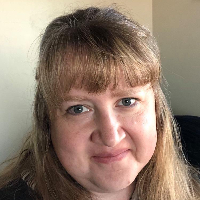
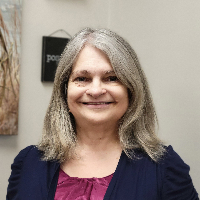
Maria "Patti" Lorenzo
LCPC
Compassionate, practical support for changing inner dialogue
- Trauma and abuse
- Self esteem
- Coping with life changes
Illinois 12 yrs
Clinical social work directory
348 therapists list Motivational Interviewing among the ways they work. Naming an approach is not evidence of training in it, so ask directly how they use it.
Motivational Interviewing is a collaborative, goal-oriented counseling approach that helps people explore and strengthen their motivation to make changes. Below you can browse therapists who list Motivational Interviewing among their approaches to learn about their focus, credentials, and languages.
LCPC
Compassionate, practical support for changing inner dialogue
LPC, LCPC
Warm, practical counseling for life transitions
LMHC, LCPC
Practical support for stress and life transitions
LPC, LCPC
Compassionate, practical counseling for everyday life
MD, LCPC, LPCC
Insight-driven counselor focused on relationships
LCPC
Compassionate, practical support for life’s hard moments
LCPC
Compassionate guidance for life's hard moments
LCPC, LPC
Compassionate, practical counseling for life changes
LCPC
Compassionate counselor for relationships and life changes
LPC, LCPC
Compassionate counselor for practical life challenges
LCPC
Compassionate counselor for addiction and trauma recovery
LCPC
Practical, relationship-focused therapy for life challenges
LCPC
Calm, experienced counselor focused on practical change
LPC, LCPC
Practical, client-centered therapy for overwhelmed adults
LPC, LCPC
Practical guidance for stress and life changes
LCPC
Practical, strengths-based counseling for common struggles
LCPC
Compassionate, practical counseling for life changes
LCPC
Practical, respectful counseling for everyday struggles
LCPC
Calm, practical support for life’s harder moments
LPC, LCPC
Practical, goal-focused counseling with warmth
LCPC
Relational therapist focused on attachment and practical change
LPC, LCPC
Practical skill-building with an encouraging approach
LCPC
Compassionate counselor for stress and relationships
LPC, LCPC
Empowering adults to build steady, lasting change
LCPC
Compassionate counselor focused on steady progress
LCPC, LPC
Practical, collaborative therapy for stress and trauma
LCPC
Practical support for stress and life changes
LMHC, LCPC
Compassionate counselor for life transitions
LCPC
Experienced counselor for practical coping strategies
MD, LCPC
Calm, practical support for strong emotions
LCPC
Practical guidance for steady personal change
LCPC, LPC
Compassionate counselor focused on practical change
LCPC
Straightforward help for everyday struggles
LCPC
Practical, experienced counseling for life transitions
LCPC
Guided practical therapy for everyday challenges
MD, LCPC
Experienced clinician focusing on practical change
LPC, LCPC
Compassionate, practical counseling for everyday challenges
LCPC
Practical, person-focused counseling for life challenges
LCPC, LPC
Practical support for stress and life changes
LCPC
Experienced counselor focused on practical skills
MD, LCPC
Practical, steady support for life changes
LCPC
Support for stress, loss, and life change
Some links on this page are partner links. We will earn a commission if you sign up through one, at no cost to you. It does not change what you pay or the order of the listings.
Motivational Interviewing is an approach to counseling that centers on helping you find and strengthen your own reasons for change. It grew out of work with people facing ambivalence about behaviors such as substance use, but its basic orientation - collaboration, acceptance, and eliciting personal motivation - applies across many challenges. Rather than instructing or directing, a counselor who uses Motivational Interviewing will draw out your goals and values, reflect what you say, and help you weigh your options so you can decide what matters to you.
Several core principles guide the approach. You will notice the emphasis on empathy and listening, which helps create a respectful working relationship. Counselors will often use open questions to invite you to tell your story and reflective statements that mirror your thoughts, helping you hear your own reasons for change. Another central idea is rolling with resistance - rather than opposing your doubts, the counselor accepts them as part of the process and works with them. Finally, the approach focuses on strengthening your confidence - called self-efficacy - by highlighting past successes and breaking goals into manageable steps. These principles aim to make change feel possible and personally meaningful, not imposed from outside.
Motivational Interviewing is used in many settings because it addresses the human experience of ambivalence - that mix of wanting change and wanting to stay the same. You may encounter this approach when facing substance-related concerns, difficulties with diet or exercise, medical adherence, or efforts to reduce risky behaviors. It is also commonly applied to mental health goals like improving treatment engagement, building motivation for therapy, or managing lifestyle changes that affect mood and stress.
Because the method helps people clarify personal values and reasons for change, it is also useful when you are considering big life decisions such as career shifts, relationship changes, or behavior adjustments that affect family or parenting. The approach tends to work well when the primary barrier is uncertainty or mixed feelings rather than a need for learning new skills. In many clinical and community settings, Motivational Interviewing is paired with other strategies - for example, skill-building interventions - to address both motivation and technique. If your priorities center on understanding what you want and finding doable first steps, Motivational Interviewing may be a helpful part of your care.
A session that uses Motivational Interviewing often feels conversational and nonjudgmental, with a focus on your perspective rather than a directive agenda set by the counselor. The counselor will ask open-ended questions to understand your views and invite you to talk about both the reasons you might change and the reasons you might not. You will be encouraged to express your thoughts in your own words, and the counselor will reflect and summarize to make sure they are hearing you accurately.
Early sessions usually emphasize building rapport and exploring your values, goals, and any ambivalence you feel. You may be asked about times when change was successful or when you overcame obstacles, which helps surface internal strengths. Later, if you are ready, sessions may shift toward developing a specific plan that aligns with your priorities. The plan is typically paced to your readiness, breaking down change into small, achievable steps. Throughout, the counselor will check in about your confidence and any barriers so that plans remain realistic. Sessions can vary in length and frequency depending on your needs and the setting, but the tone remains collaborative and focused on what matters to you.
Motivational Interviewing stands apart from more directive or educational methods by prioritizing the client’s own motivations and autonomy. In cognitive-behavioral approaches, for example, you may spend significant time learning and practicing specific skills to change thoughts and behaviors. Motivational Interviewing, in contrast, focuses first on whether and how you want to change, using questions and reflections to elicit movement from within. This makes it especially useful when you are not yet ready to engage in skill-based work.
Another distinction is the way resistance is handled. In some approaches, therapist and client may push directly against reluctance, which can create a confrontational dynamic. Motivational Interviewing treats reluctance as a natural response and uses it as material to understand your perspective better. The counselor aims to evoke change talk - statements that express desire, ability, reasons, or need for change - rather than argue for it. This emphasis on elicitation and autonomy makes the approach complementary to other therapies. Many counselors combine Motivational Interviewing with techniques from other schools to address both motivation and the practical steps needed to reach your goals.
Motivational Interviewing can be helpful if you are feeling unsure about change, finding it hard to commit to new habits, or wanting to align your actions with your values. It often benefits people who are ambivalent - those who see reasons both for and against changing a behavior - because the approach helps clarify what matters most to you. You may also choose it if you want a respectful, collaborative style that prioritizes your choices and pace. It is not limited to any single diagnosis or problem; rather, it is a method for exploring readiness and building momentum.
When searching for a counselor who uses Motivational Interviewing, look for profiles that indicate Motivational Interviewing among the approaches they list and describe how they apply it in practice. Read about a counselor’s focus areas to see whether they work with issues similar to yours, and note credentials that reflect their professional background. Consider language and cultural factors that matter to you, and pay attention to descriptions of their therapeutic style - some counselors emphasize a warm, exploratory approach while others blend Motivational Interviewing with skill-based interventions. You may also find it helpful to read short biographies or practice statements to understand how a counselor frames shared decision-making and goal-setting.
Finally, trust your own sense of fit. You can often get a sense of whether the counselor’s approach aligns with your needs from their profile description. Think about whether you want to focus initially on clarifying motivation or whether you prefer jumping sooner into technique-focused work. Choosing someone whose stated approach and focus resonate with you increases the chance that sessions will feel useful and aligned with your goals.
If you decide Motivational Interviewing sounds like a good match, use the listing grid above to review counselors who list this approach. Read their descriptions to compare areas of specialization, experience with particular concerns, languages offered, and professional credentials. That information can help you narrow choices to those whose background and style match your priorities. Approaching this search with your own goals in mind - whether reducing a behavior, improving health routines, or preparing for a major life change - will help you identify counselors who emphasize collaboration and practical, client-centered planning.
Motivational Interviewing can be an accessible, respectful way to move from uncertainty to action. By focusing on your own reasons for change and building manageable steps, it aims to make change feel achievable on your terms. Use the profiles below to explore counselors who list Motivational Interviewing among their approaches and find someone whose approach and focus feel like a fit for your next steps.