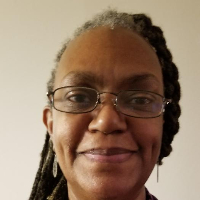
Pamela Byrd, MD, LCPC
Licensed in Maryland · 25 years in practice
Pamela Byrd is a Maryland-based clinician who helps people dealing with stress, anxiety, addiction, grief, depression, relationship and intimacy struggles, and career or life transitions.
License and registration
- LCPC, Maryland
- LC3506 · expires January 2028
- NPI
- 1891007738 · national provider identifier
- Years in practice
- 25
- Languages
- English
Details are as listed on the therapist's public professional profile. You can check any license with the state board and any NPI with the national registry.
About Pamela
Pamela Byrd is a Maryland-based clinician who helps people dealing with stress, anxiety, addiction, grief, depression, relationship and intimacy struggles, and career or life transitions. She also supports people facing parenting challenges, anger, self-esteem concerns, compassion fatigue, and identity matters related to LGBT issues. Pamela brings 25 years of professional experience to her work and holds MD and LCPC credentials.
Her sessions are straightforward and practical. She listens first, then helps people notice how thoughts and behaviors affect day-to-day life.
Background and approach
Pamela uses a mix of evidence-informed methods so conversations stay focused and useful. She aims for clear goals and steps people can try between sessions. Pamela trained at Johns Hopkins University for her BS and MS and completed postgraduate study there as well.
Over the past 25 years she has spoken publicly, led workshops, and worked with many clients and counseling professionals. That background informs how she structures sessions and offers tools for coping and change. Common tools in her practice include cognitive-behavioral ideas, mindfulness techniques, acceptance and commitment strategies, client-centered listening, and motivational interviewing.
These approaches are used to address symptoms, build skills, and increase awareness of unhelpful patterns. She provides grief counseling, anger and stress management, relapse and substance-dependence support, conflict resolution, and professional seminars. Pamela describes her outlook as whole-person focused - noticing spirit, mind, and body when people pursue change.
Sessions are offered in several online formats and by phone to make participation easier for busy schedules and varied needs.
Focus areas and approaches
Everything Pamela lists on their public professional profile, in their own terms.
- Stress, Anxiety
- Addictions
- Relationship issues
- Grief
- Depression
- LGBT
- Family conflicts
- Trauma and abuse
- Intimacy-related issues
- Parenting issues
- Anger management
- Self esteem
- Career difficulties
- Bipolar disorder
- Coping with life changes
- Compassion fatigue
- Antisocial personality
- Blended family issues
- Cancer
- Codependency
- Commitment issues
- Communication problems
- Control issues
- Coping with natural or human-caused disaster
- Divorce and separation
- Drug and alcohol addiction
- Forgiveness
- Guilt and shame
- Isolation / loneliness
- Midlife crisis
- Multicultural concerns
- Post-traumatic stress
- Prejudice and discrimination
- Self-love
- Workplace issues
Approaches Pamela names
- Acceptance and Commitment Therapy (ACT)
- Client-Centered Therapy
- Cognitive Behavioral Therapy (CBT)
- Mindfulness Therapy
- Motivational Interviewing
- Psychodynamic Therapy
- Solution-Focused Therapy
- Trauma-Focused Therapy
Naming an approach is not evidence of training in it. This directory copies what each therapist lists and does not check training records.
Online support
Approaches that translate well to online care
Acceptance and Commitment Therapy (ACT) helps people notice painful thoughts and feelings without getting stuck in them, and then choose actions that match their values. It is useful for anxiety, depression, and coping with life changes.Cognitive Behavioral Therapy (CBT) focuses on identifying unhelpful thinking and changing behavior through practical exercises and skill-building. It is often used for anxiety, mood concerns, addiction patterns, and stress management.
Client-Centered Therapy emphasizes listening, empathy, and helping people find their own solutions. This approach supports self-esteem, relationship concerns, and adjustment after loss or major change.
Finding the right approach is part of the work. Pamela collaborates with each person to match methods to their needs, goals, and preferences. She adapts exercises and plans so they fit a person’s daily life and pace.
Online therapy offers practical flexibility. Video calls allow face-to-face conversation when more engagement is helpful. Phone sessions can be easier when bandwidth is limited or during a short break at work. Live chat and text-based messaging work for quick check-ins, homework review, or when typing feels more comfortable. These options make it easier to fit care into a busy schedule and keep consistent progress.
We will earn a commission if you sign up through our link, at no cost to you. It does not change what you pay or the order of the listings.
Questions people ask
What concerns does Pamela work with?
Pamela supports people facing stress, anxiety, addictions, grief, depression, relationship and intimacy issues, parenting strain, anger, self-esteem, career change, bipolar concerns, and compassion fatigue, among other issues.
What is her therapeutic style like?
Her style is direct and practical. She listens closely, helps set clear goals, and uses exercises and skills people can try between sessions.
How much experience does she have?
She brings 25 years of professional, academic, and personal experience, including public speaking and workshop leadership.
What credentials and region are listed?
She holds MD and Licensed Clinical Professional Counselor credentials and practices from Maryland.
Which languages are available for sessions?
Sessions are offered in English.
What session formats are offered?
Sessions can be scheduled as video calls, phone sessions, live chat, or text-based messaging.
How does cost and billing work?
Cost varies with location and therapist availability; sessions are provided through a subscription model that can be canceled at any time.
How do I begin therapy with her?
Begin by selecting the Start Therapy button, completing a short matching questionnaire, and scheduling according to therapist availability.
More therapists in Maryland
See allTanya Vincent
MD, LCPC
Practical, collaborative counseling for everyday struggles
- Stress, Anxiety
- Relationship
- Family

Arleen Faulkner
MD, LCPC
Calm, practical support for life transitions
- Stress, Anxiety
- Addictions
- Relationship

Derrick Gibson
MD, LCPC
Compassionate, practical help for stress and loss
- Stress, Anxiety
- Relationship
- Family

Is this your profile?
Ask us to correct details or take the page down.
Contact us