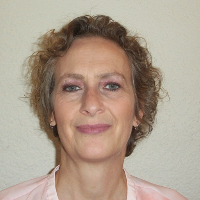
Troy Gibson
LCPC
Straightforward counseling for stress and relationships
- LGBT
- Stress, Anxiety
- Relationship
Illinois 10 yrs
Clinical social work directory
312 therapists list lgbt among the things they work with. All offer sessions online, and every profile shows the registering body, the membership number and when it runs to.
This page lists licensed counselors and therapists who identify LGBT as a specialty and describe the approaches, identities, and languages they work with. Browse the profiles below to compare backgrounds, approaches, and areas of focus to find a therapist who feels like a fit.
LCPC
Straightforward counseling for stress and relationships
MD, LCPC
Practical, collaborative counseling for everyday struggles
LCPC
Practical support for stress and emotional challenges
LPC, LCPC
Practical, strength-focused counseling for life changes
LPC, LCPC
Compassionate, practical counseling for everyday life
MD, LCPC, LPCC
Insight-driven counselor focused on relationships
LCPC
Compassionate, practical support for life’s hard moments
LCPC, LPC
Hopeful, practical therapy with an experienced clinician
LCPC
Calm, practical counseling for everyday challenges
LPC, LCPC
Compassionate counselor for practical life challenges
LCPC
Compassionate counselor for addiction and trauma recovery
LCPC
Compassionate counseling for sexuality and relationships
LCPC
Calm, practical support for life’s harder moments
LCPC
Helping people move past stress and rebuild confidence
LCPC
Compassionate, practical therapy for life changes
LPC, LCPC
Calm, experienced counselor for mood and addiction
LCPC
Practical CBT and mindfulness for real problems
LCPC
Practical, supportive therapy for everyday struggles
LCPC
Relational therapist focused on attachment and practical change
LPC, LCPC
Practical skill-building with an encouraging approach
LPC, LCPC
Empowering adults to build steady, lasting change
LPC, LCPC
Practical, goal-focused counseling with warmth
LMHC, LCPC
Compassionate counselor for life transitions
LCPC
Experienced counselor for practical coping strategies
MD, LCPC
Calm, practical support for strong emotions
LCPC
Guided practical therapy for everyday challenges
MD, LCPC
Experienced clinician focusing on practical change
LCPC
Practical support for anxiety, addiction, and relationships
LCPC
Practical support for relationship and life changes
LCPC
Practical, affirming therapy for mood and identity concerns
LCPC
Practical, person-focused counseling for life challenges
MD, LCPC
Calm practical guidance for relationships and stress
LCPC
Compassionate counselor for stress and relationships
LCPC, LPC
Practical support for stress and life changes
LCPC, LMHC
Practical, steady support for anxiety and trauma
LCPC
Compassionate counselor focused on practical progress
MD, LCPC, LPC
Calm, practical support for stress and trauma
MD, LCPC
Practical support for stress and relationship challenges
MD, LCPC
Calm, practical support for daily challenges
MD, LCPC, LPC
Compassionate care for stress, trauma, and relationships
LCPC
Compassionate counselor focused on practical change
Some links on this page are partner links. We will earn a commission if you sign up through one, at no cost to you. It does not change what you pay or the order of the listings.
When people use the term LGBT they are referring to sexual orientations and gender identities that differ from cisgender straight norms. That includes lesbian, gay, bisexual, and transgender people and often extends to related identities such as queer, nonbinary, and other gender diverse experiences. Your identity can shape many parts of life - relationships, family interactions, work dynamics, and daily safety - and those influences are what therapists who list LGBT as a specialty often address in session.
Your experience will be unique, but there are shared themes many people describe. Coming out or deciding how and when to disclose identity can involve practical and emotional calculations. Family reactions, cultural or religious contexts, and social expectations can create stress and grief as well as relief and affirmation. You may find that navigating dating, identity labels, medical transitions, or workplace inclusion raises questions you want to explore with a counselor who understands those dynamics.
Because identity intersects with race, class, disability, religion, and other factors, a therapist who lists experience with particular communities can help you look at how multiple parts of your life fit together. Therapy can be a place to explore not only the challenges you face but also your resilience and sources of connection. If you are seeking someone familiar with LGBT-related topics, the therapists listed on this page describe the approaches and focus areas they work with so you can find a closer match to your needs.
You might be considering therapy for LGBT issues if identity-related concerns are affecting how you feel day to day or how you function in relationships or work. Persistent anxiety about being out, modern dating pressures, identity confusion, and repeated rejection from family or peers can wear on your mental health. You may notice sleep disruption, difficulty concentrating, or increased substance use as ways of coping. These are common signals that extra support could be helpful.
Experiencing trauma, whether from hate incidents, relationship violence, or identity-related hostility, is another reason to seek focused support. Even when events occurred in the past, their effects can continue to shape your behavior and beliefs. You may also be navigating transitions, such as steps in a medical transition, changes in relationship status, or relocating to a new community, and you want a therapist who understands the specific emotional landscape those transitions create.
Finally, you might seek LGBT-informed therapy not because you are in crisis but because you want a reflective, informed space to explore identity, relationships, and life goals. Therapy can be a place to develop communication skills, set boundaries with people who do not understand your identity, and build networks of support. If any of these situations feel familiar, a therapist who lists LGBT-related experience may be able to offer perspectives and techniques that align with what you are facing.
When you begin work with a therapist who lists LGBT among their specialties, the first few sessions tend to focus on understanding your story and what you want from therapy. You will likely talk about your identity history, relationships, current stressors, and practical concerns. The therapist will ask questions to get a sense of your priorities and to form goals that match what you want to address. You should expect a collaborative process where your goals guide the work.
Sessions can include emotional processing of painful experiences, learning tools to manage anxiety or depression, and practical planning for conversations or life changes. Some people use therapy to process coming out narratives and to rehearse setting boundaries with family or coworkers. Others want help with relationship dynamics, navigating dating while being open about identity, or making decisions about medical care. Sessions can blend talk-based exploration with skills practice depending on your needs and the approaches the therapist lists.
Therapy is often paced to what you can manage emotionally. You may spend time exploring identity in a reflective way, work through past hurts gradually, and build strategies for coping with situations that trigger distress. Over time you should expect your therapist to check in about progress, adjust goals as needed, and invite your feedback about what is or is not helpful.
Therapists who list LGBT among their specialties often draw from a range of therapeutic approaches to match individual needs. Some will describe cognitive-behavioral strategies that focus on identifying and changing unhelpful thought patterns, while others may emphasize acceptance-based work such as acceptance and commitment therapy to help you live according to your values despite difficult emotions. Psychodynamic approaches may be available for people who want to explore how early relationships shaped their sense of self and relational patterns.
Narrative-oriented work can be especially relevant when you want to examine the stories you tell about identity and rewrite them in a way that reflects your agency. Family systems perspectives are used when family relationships are central to the issues at hand, such as managing expectations or repairing connection. For those processing trauma, some therapists list trauma-informed approaches and those who list EMDR among their approaches may include it in their offerings; keep in mind that listing an approach does not indicate specific credentials, so you can ask about experience and methods during consultations.
Regardless of the specific model, many therapists blend techniques. You might do skills practice for anxiety in one session and then spend time in another session exploring grief or identity questions. The important part is that the therapist tailors the work to your goals, communicates clearly about methods they use, and creates a space where you can explore identity without pressure to conform to particular outcomes.
Online therapy has expanded access to therapists who list LGBT experience, allowing you to work with someone who matches your needs even if they are not nearby. Sessions typically happen via video, phone, or messaging, and they can follow a similar structure to in-person work - intake, goal setting, and ongoing sessions. Online work can be especially useful if you live in an area with limited local options, if travel or mobility is a concern, or if you prefer the convenience of meeting from your own space.
When doing online sessions, consider practical details that affect your experience. Decide whether you want video sessions to allow nonverbal cues, or if phone work feels more comfortable. Think about where you will sit so you have a quiet, uninterrupted place to talk. If you are living with people who do not know your identity you may want to plan how to ensure privacy or choose a time when interruptions are less likely. Many people find that a consistent routine for online sessions helps them get the most out of the work.
Start by clarifying what matters most to you. You might prioritize a therapist who lists experience with transgender care, someone who works with queer relationships, or a clinician who shares your cultural background or speaks your language. Read therapist profiles to learn how they describe their approach, focus areas, and the populations they work with. Pay attention to whether they mention topics that align with your goals, such as family dynamics, trauma, coming out, or sexual health.
When you contact a therapist, prepare questions to help you assess fit. You can ask how they typically approach issues like identity exploration or family conflict, what methods they list among their approaches, and how they adapt their work to someone with your background. It is appropriate to ask about experience with particular populations and to get a sense of their general approach to ethical and practical concerns. Trust your judgment about how comfortable you feel with a therapist's communication style and whether they seem to understand the specific challenges you face.
Finally, remember that finding the right therapist can take time. You do not need to settle for someone who does not feel like a good match. Use the listings below to compare backgrounds and approaches, and take the opportunity to reach out and ask questions before beginning work. The goal is to find a counselor who helps you feel seen, heard, and supported as you navigate identity-related questions and life transitions.