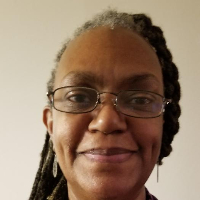
Troy Gibson
LCPC
Straightforward counseling for stress and relationships
- Addictions
- Stress, Anxiety
- LGBT
Illinois 10 yrs
Clinical social work directory
444 therapists list addictions among the things they work with. All offer sessions online, and every profile shows the registering body, the membership number and when it runs to.
This directory page highlights licensed clinicians who list addictions among their specialties. Use the profiles below to review each therapist's focus areas, approaches, credentials, languages, and experience. Browse the listings below to identify professionals whose approach aligns with what you are seeking.
LCPC
Straightforward counseling for stress and relationships
MD, LCPC
Practical, collaborative counseling for everyday struggles
LPC, LCPC
Practical, strength-focused counseling for life changes
LPC, LCPC
Compassionate, practical counseling for everyday life
MD, LCPC, LPCC
Insight-driven counselor focused on relationships
LCPC
Compassionate, practical support for life’s hard moments
LCPC
Experienced Illinois LCPC focusing on healing and practical change
LCPC, LPC
Compassionate, practical counseling for life changes
LCPC
Calm, practical counseling for everyday challenges
LCPC
Compassionate counselor for addiction and trauma recovery
MD, LCPC
Calm, practical support for life transitions
LCPC
Calm, experienced counselor focused on practical change
LCPC
Practical trauma-informed counseling for adults
LCPC
Practical, strengths-based counseling for common struggles
LCPC
Compassionate evidence-based care for emotional challenges
LCPC
Practical, respectful counseling for everyday struggles
LCPC
Calm, practical support for life’s challenges
LCPC
Helping people move past stress and rebuild confidence
LCPC
Compassionate, practical therapy for life changes
LPC, LCPC
Calm, experienced counselor for mood and addiction
LCPC
Practical CBT and mindfulness for real problems
LPC, LCPC
Practical, goal-focused counseling with warmth
LCPC
Compassionate, practical support for life changes
LCPC
Relational therapist focused on attachment and practical change
LPC, LCPC
Practical skill-building with an encouraging approach
LPC, LCPC
Empowering adults to build steady, lasting change
LCPC
Compassionate counselor focused on steady progress
LCPC, LPC
Practical, person-centered counseling for daily life
MD, LCPC
Practical support for stress and life transitions
LCPC
Compassionate support for relationship and identity challenges
LMHC, LCPC
Compassionate counselor for life transitions
MD, LCPC
Calm, practical support for strong emotions
LCPC, LPC
Compassionate counselor focused on practical change
LCPC
Practical, experienced counseling for stress and addiction
LCPC, LPC
Practical, steady support for stress and addiction
LPC, LCPC
Compassionate counselor for stress and loss
LCPC
Guided practical therapy for everyday challenges
MD, LCPC
Experienced clinician focusing on practical change
LCPC
Practical therapy for lasting everyday change
LCPC
Practical support for anxiety, addiction, and relationships
LPC, LCPC
Compassionate, practical counseling for everyday challenges
LCPC
Calm, practical support for everyday struggles
LPC, LCPC
Compassionate help for addiction and trauma recovery
Some links on this page are partner links. We will earn a commission if you sign up through one, at no cost to you. It does not change what you pay or the order of the listings.
Addictions involve patterns of behavior or substance use that can interfere with your daily life, relationships, work, or sense of well-being. For some people an addiction centers on alcohol or drugs, while for others it may involve behaviors such as gambling, shopping, gaming, or compulsive use of the internet. The defining feature for many is that the behavior continues despite negative consequences, and it can lead to cycles of attempts to cut back followed by renewed use. Addiction affects people across ages, backgrounds, and socioeconomic circumstances, and it often interacts with stress, trauma, mental health symptoms, and social factors.
Because the experience of addiction is shaped by personal history and current context, the ways it shows up vary widely. You might notice significant changes in mood, energy, sleep, or appetite. Relationships can become strained as trust erodes or roles shift. Work and financial stability can be affected, and you may feel shame, guilt, or isolation as a result. Addiction rarely exists in isolation - it is often linked with anxiety, depression, chronic pain, or past experiences of loss or trauma, which is why a comprehensive approach that looks at your whole life often feels most helpful.
You might benefit from working with a therapist if your use of a substance or a particular behavior is causing noticeable problems in areas that matter to you. This could include repeated conflicts with family or friends, missed work or school, legal or financial consequences, or persistent efforts to quit that have not succeeded. You may also notice that you need more of a substance or behavior to get the same effect, or that withdrawal symptoms occur when you try to stop. Emotional signs such as increasing preoccupation, guilt, or feelings of hopelessness about changing your behavior are also common reasons people seek help.
Therapy can also be helpful even if you are not certain that a formal diagnosis applies to you. If you are worried about how a habit affects your life, if you want to build skills to reduce risk, or if you want support navigating conversations with loved ones, a therapist can help you explore options and create a plan that fits your goals. People often come to therapy when they are ready to understand triggers, develop coping strategies, and build a more sustainable daily routine that supports recovery or harm reduction.
When you begin working with a therapist for addictions, the initial sessions commonly focus on gathering a clear picture of your history, current patterns, relationships, health, and goals. Your therapist will likely ask about the substance or behavior you are concerned about, any previous attempts to change, and factors that seem to trigger use. This assessment helps shape a collaborative plan that reflects what you want to achieve, whether that is complete abstinence, moderation, harm reduction, or improved coping.
Subsequent sessions typically involve learning and practicing skills, exploring underlying thoughts and feelings, and tracking progress toward the goals you set. You can expect a mix of practical tools and reflective work: strategies for managing cravings, ways to restructure daily routines, communication skills for difficult conversations, and techniques to reduce relapse risk. Therapy often addresses co-occurring issues such as anxiety, depression, or relationship strain because these areas can maintain or intensify addictive patterns. The pace and focus of therapy are tailored to your needs, and you and your therapist can revisit goals as you make progress or face setbacks.
Therapists use a variety of approaches when working with addictions, and the choice of method often depends on your goals, preferences, and life circumstances. You may encounter therapists who list cognitive behavioral therapy, motivational interviewing, relapse prevention, or family systems approaches among their methods. Cognitive behavioral approaches tend to focus on identifying patterns of thinking and behavior that maintain use and teaching strategies to change them. Motivational interviewing is often used early in care to help you clarify your own reasons for change and strengthen commitment in a collaborative, nonjudgmental way.
Other clinicians may list mindfulness-based approaches or contingency management among their methods, which can help you build present-moment awareness and reinforce positive changes. Some therapists work with twelve-step or mutual support frameworks and can help you integrate those resources into a broader care plan. There are also approaches that emphasize the role of relationships and systems, including family-focused work that looks at communication patterns and roles that influence use. It is common for therapists to combine elements from multiple approaches to match your needs rather than relying on a single method.
Online therapy can make it easier to connect with clinicians who list addictions as a specialty, particularly if you live in an area with limited local options or need more scheduling flexibility. Sessions by video or phone generally follow the same clinical structure as in-person work - assessment, goal-setting, skills practice, and ongoing review - and therapists can often provide worksheets, guided exercises, and tailored plans through supported portals. When you use online therapy you may find it convenient to combine virtual sessions with in-person medical care or community supports, depending on your needs.
When choosing a therapist to work with on addictions, start by focusing on match rather than availability. Look for clinicians who list addictions or substance-related concerns as a specialty and who describe approaches and experience that resonate with you. Pay attention to the therapist's stated orientation and the kinds of issues they mention - if you prefer a practical skills focus, look for those who discuss strategies and relapse prevention; if relationships are central, look for those who emphasize family work or couples counseling. Consider language preferences and cultural background when that is important to you, and review clinician profiles to see how they describe their work style and typical session structure.
You can also prepare questions to help you evaluate fit during an initial conversation. Ask about how they typically structure sessions for addictions, what kinds of goals they commonly work toward, and how they involve social supports or coordinate with medical providers when needed. If you are exploring specific methods, inquire whether they use those tools and how they integrate them into longer-term care. Finally, trust your response to the therapist's communication style and approach - a good working relationship is an important part of effective care, and it is appropriate to look for someone whose style helps you feel understood and motivated to change.
Choosing a therapist is a personal decision and often involves trying a few sessions to see how well the fit supports your goals. Whether you are looking for online or in-person care, the profiles on this page can help you compare focus areas, approaches, credentials, languages, and experience so you can make an informed choice that aligns with your needs. Taking that first step toward help is a meaningful action, and building a plan that matches your life and priorities can make the path forward clearer and more manageable.