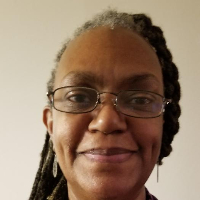
Troy Gibson
LCPC
Straightforward counseling for stress and relationships
- Stress, Anxiety
- LGBT
- Relationship
Illinois 10 yrs
Clinical social work directory
254 therapists list blended family issues among the things they work with. All offer sessions online, and every profile shows the registering body, the membership number and when it runs to.
This page lists therapists who work with blended family issues, including stepfamily adjustment, co-parenting, and household role negotiation. Browse the listings below to compare specialties, approaches, credentials, languages and experience.
LCPC
Straightforward counseling for stress and relationships
LCPC
Compassionate, practical support for changing inner dialogue
LMHC, LCPC
Practical support for stress and life transitions
LPC, LCPC
Compassionate, practical counseling for everyday life
LCPC
Compassionate, practical support for life’s hard moments
LCPC
Compassionate guidance for life's hard moments
LCPC
Compassionate counseling for practical change
LCPC
Experienced Illinois LCPC focusing on healing and practical change
LCPC, LPC
Compassionate, practical counseling for life changes
LCPC
Calm, practical counseling for everyday challenges
LCPC
Compassionate counselor for addiction and trauma recovery
LCPC
Compassionate counseling for sexuality and relationships
LCPC
Calm, experienced counselor focused on practical change
LPC, LCPC
Practical, client-centered therapy for overwhelmed adults
LCPC
Practical trauma-informed counseling for adults
LCPC
Practical, strengths-based counseling for common struggles
LCPC
Helping people move past stress and rebuild confidence
LPC, LCPC
Practical, goal-focused counseling with warmth
LCPC
Relational therapist focused on attachment and practical change
LCPC, LPC
Practical, person-centered counseling for daily life
LCPC
Practical counseling for life transitions
LCPC
Practical support for stress and life changes
LCPC
Helping people find steady, practical paths forward
LMHC, LCPC
Compassionate counselor for life transitions
MD, LCPC
Calm, practical support for strong emotions
LCPC
Practical guidance for steady personal change
LCPC, LPC
Compassionate counselor focused on practical change
LMHC, LCPC
Calm, clear support for life’s hard moments
LCSW, LCPC
Helping people rebuild steadiness and direction
LCPC
Guided practical therapy for everyday challenges
MD, LCPC
Experienced clinician focusing on practical change
LCPC
Practical, affirming therapy for mood and identity concerns
LCPC
Practical, person-focused counseling for life challenges
LCPC
Experienced counselor focused on practical skills
LCPC
Practical, evidence-based support for life stressors
LCPC
Support for stress, loss, and life change
LCPC, LPC
Practical, down-to-earth counseling for life challenges
LCPC
Support for stress and relationships
LCPC
Helping people reshape relationships and confidence
MD, LCPC
Practical support for stress and relationship challenges
LCPC
Compassionate counselor focused on practical change
LCPC
Practical therapy for stress and relationships
Some links on this page are partner links. We will earn a commission if you sign up through one, at no cost to you. It does not change what you pay or the order of the listings.
Blended families bring together people with different histories, expectations, and relationships, and that combination often creates emotional complexity. When households merge, you are likely to face questions about parenting authority, discipline, loyalty, and everyday routines. Children may be adjusting to a new parental figure while also managing contact with a biological parent, and adults may be balancing grief for a lost relationship with hopes for a new family rhythm. Those tensions can show up as increased arguments, behavioral shifts in children, strained intimacy between partners, or a sense that no one has a clear role.
Because each blended family is unique, the patterns you experience will depend on ages of children, the quality of the adults’ co-parenting relationships with ex-partners, cultural expectations about family roles, and practical matters like living arrangements and finances. You may find that small disagreements - about bedtime, chores, or visitation details - repeatedly escalate because there is no shared framework for handling them. Over time, unresolved friction can wear on your relationships and wellbeing, making it harder to enjoy the benefits that brought your family together in the first place.
You may consider professional support if disagreements feel cyclical and resist attempts to resolve them, or if daily life is dominated by tension instead of cooperation. If you notice children acting out more than usual, withdrawing, or showing signs of anxiety or loyalty conflict, those responses can indicate that they are struggling to adapt to new family dynamics. Partners sometimes describe feeling isolated inside the household, experiencing persistent resentment about perceived unfairness, or noticing that communication has deteriorated to the point where practical problems are not getting solved.
Other signs include repeated conflict about parenting styles, unclear boundaries between households, or ongoing difficulty coordinating schedules and discipline. If you find that conversations quickly become personal attacks rather than problem-solving discussions, or if step-parent and biological parent roles feel constantly negotiated without agreement, therapy can provide a structured setting to create clearer expectations. Therapy is also a place to address grief, loss, and identity shifts that often accompany family blending - emotions that are real even when life looks fine on the surface.
Early sessions typically focus on understanding the family story, mapping relationships, and identifying the most pressing concerns. You can expect a therapist to ask about household routines, previous family structures, contact with ex-partners, and any recent transitions. Together you and the therapist will clarify goals that may include improving communication, setting consistent parenting boundaries, reducing conflict that involves children, or helping individual family members process feelings about change. Goals are negotiated collaboratively so that everyone involved knows what progress looks like.
Therapy for blended families may include individual sessions for an adult or child, couple sessions to strengthen the parenting partnership, and joint family sessions where multiple members work on interaction patterns. You may choose to meet with the therapist alone first to explore sensitive topics, or begin with a family meeting to establish common rules and rituals. Sessions often include practical skill-building - for example, learning a communication script to de-escalate arguments, or practicing consistent responses to behavioral issues - and might also address emotional themes such as loyalty conflicts, grief, or shifting identities.
Therapists take different roads toward the same destination of healthier family functioning, so you will likely meet professionals who emphasize relationship patterns, emotional processing, or concrete skills. Some therapists describe family systems approaches that look at how roles and boundaries are organized across households, while others emphasize cognitive-behavioral methods focused on changing interaction patterns and developing new habits. You may also find therapists who list attachment-based approaches among their methods to help family members build trust and safety within new relationships. Because listing an approach is not the same as a training credential, profiles will often indicate which approaches a therapist uses so you can decide which style feels like a match for your family.
In practice, effective blended-family work is often integrative. A session might combine practical planning for custody and routines with exercises that help members express difficult emotions without blame. The therapist may introduce rituals to mark transitions, coaching to support step-parenting roles, and negotiation strategies to create shared expectations. If trauma, grief, or high conflict with an ex-partner influences family life, you may encounter therapists who list trauma-aware or emotion-focused techniques among their approaches. Reading therapist profiles for described focus areas and experience with blended-family dynamics can help you identify professionals who align with your needs.
Online therapy offers a flexible way to include members who live in different households or who have limited time for in-person appointments. Sessions are commonly conducted by live video, which lets a therapist observe interactions and coach communication in the moment, even when participants are in separate locations. You can arrange to have certain sessions include children, while others focus on the parental partnership or individual processing. Because blended-family concerns often involve practical coordination across homes, the ability to join from different sites can make it easier to include all relevant parties in planning conversations.
For online sessions to work well, it helps if each participant joins from a quiet space where they can speak without interruption. You will want to agree on technical and behavioral norms ahead of time - for example, whether cell phones are silenced, how to manage children during a session, and what to do if connectivity drops. Many families find that online sessions reduce travel time and make it simpler to maintain continuity during busy transitions. If you expect to include children, ask about the therapist’s experience with video-based child work and how they handle engagement, assessment, and activities over video.
When you evaluate profiles, focus on the match between the therapist’s listed focus areas and the specific challenges your family faces. Look for professionals who describe experience with step-parenting, co-parenting across households, or family systems work. Pay attention to whether a therapist lists work with children of similar ages and whether they describe approaches that fit your preference for practical coaching, emotional processing, or structured skill-building. Credentials and licensure indicate formal education and legal authorization to practice, but reading descriptions of approach and experience will give you a clearer sense of how a therapist works day to day.
It can be helpful to have a short conversation before committing to regular sessions to get a feel for the therapist’s style and whether they seem comfortable working with multiple households and children. Ask questions about typical session formats, how they handle conversations that include an ex-partner, and whether they can coordinate with other professionals such as pediatricians or school staff when needed. Also consider logistical factors such as languages offered, session lengths, and whether they describe working with families in your state or region. Choosing a therapist is both a practical and relational decision, so prioritize finding someone whose approach and communication feel like a constructive fit for your family’s needs.
Blending families takes time, patience, and deliberate practice. With focused support, you can build clearer expectations, fairer routines, and stronger connections across households. Use the profiles below to explore therapists who list blended family issues among their specialties, and consider reaching out to learn more about how they work with families like yours.