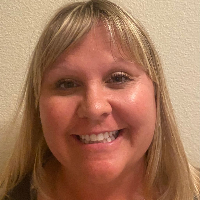
Troy Gibson
LCPC
Straightforward counseling for stress and relationships
- Stress, Anxiety
- LGBT
- Relationship
Illinois 10 yrs
Clinical social work directory
168 therapists list disaster relief therapy among the things they work with. All offer sessions online, and every profile shows the registering body, the membership number and when it runs to.
On this page you'll find profiles of therapists who list disaster relief therapy among their specialties, along with their approaches, languages, and credentials. Browse the listings below to compare focus areas and identify professionals who may match your needs.
LCPC
Straightforward counseling for stress and relationships
LCPC
Compassionate, practical support for changing inner dialogue
LPC, LCPC
Warm, practical counseling for life transitions
LCPC
Compassionate, practical support for life’s hard moments
LCPC
Practical, compassionate counseling for everyday struggles
LCPC
Calm, practical counseling for everyday challenges
LCPC
Compassionate counselor for addiction and trauma recovery
LCPC
Calm, experienced counselor focused on practical change
LCPC
Practical CBT and mindfulness for real problems
LPC, LCPC
Practical, goal-focused counseling with warmth
LCPC
Therapist blending practical tools and listening
LCPC
Practical support for stress and life changes
LCPC
Helping people find steady, practical paths forward
LMHC, LCPC
Compassionate counselor for life transitions
LCPC
Experienced counselor for practical coping strategies
MD, LCPC
Calm, practical support for strong emotions
LCPC, LPC
Compassionate counselor focused on practical change
LCPC
Guided practical therapy for everyday challenges
MD, LCPC
Experienced clinician focusing on practical change
LCPC
Practical, person-focused counseling for life challenges
LCPC, LPC
Practical support for stress and life changes
LPC, LCPC
Calm practical help for stress and trauma
LCPC
Support for stress, loss, and life change
LCPC, LPC
Practical, down-to-earth counseling for life challenges
LCPC
Helping people reshape relationships and confidence
LCPC
Compassionate counselor focused on practical change
MD, LCPC
Experienced Maryland counselor focusing on practical change
LCPC
Compassionate therapy grounded in faith and practical skills
LPCC, LCPC
Practical, compassionate counseling for daily struggles
LCPC
Practical, experienced counselor guiding steady change
LPC, LCPC
Helping people move past stuck patterns
LCPC
Practical, respectful support for change
LCPC
Compassionate, practical help for daily struggles
LCMHC, LCPC
Person-centered counseling for recovery and growth
LCPC
Practical, steady support for life’s difficult moments
LCPC, LPC
Practical counseling for people feeling stuck
LCMHC, LCPC
Supportive counselor using practical therapies
LCPC, LCMHC
Compassionate counselor who builds practical coping skills
MD, LCPC, LPC
Practical, respectful therapy for everyday struggles
LCPC
Compassionate, practical therapy for real-life struggles
LCPC, LMHC
Compassionate counselor for life’s big challenges
LPC, LCPC
Supportive counselor combining skills and compassion
Some links on this page are partner links. We will earn a commission if you sign up through one, at no cost to you. It does not change what you pay or the order of the listings.
Disaster relief therapy is a focus within mental health care that addresses the emotional, cognitive, and behavioral effects that follow natural disasters, community-wide emergencies, or large-scale traumatic events. You may experience a mix of acute reactions and longer-term challenges after exposure to flooding, wildfires, hurricanes, earthquakes, mass casualty events, or other community traumas. Those reactions can be shaped by prior life stressors, physical injury, loss of property, displacement, or concern for family and community members.
Not everyone responds the same way. Some people experience intense distress in the immediate aftermath and gradually return to their usual functioning. Others find that fear, intrusive memories, sleep disruption, or changes in mood persist and begin to interfere with daily routines, work, or relationships. Community disruption and the practical demands of recovery - such as finding housing, replacing documents, or navigating aid systems - can compound emotional strain and make it harder to cope. Disaster relief therapy aims to help you process what happened, restore a sense of safety in daily life, and develop practical coping strategies to manage ongoing stressors associated with recovery.
If you are wondering whether to seek help, there are several common signals that therapy might be useful. You might notice that distress related to the event is taking up a great deal of your time and attention, making it hard to concentrate at work or to follow daily routines. You may experience frequent intrusive memories or images, heightened startle reactions, or avoid places and activities that remind you of the event. Changes in sleep and appetite, persistent irritability, or difficulty connecting with loved ones are also frequent responses after a disaster.
People sometimes delay reaching out because they expect their reactions to resolve on their own, or because they prioritize practical needs first. It is reasonable to seek support when emotional responses are making recovery harder rather than easier. Therapy can help you learn skills to manage distressing symptoms, process losses and fears, navigate practical systems like insurance and aid resources, and rebuild routines that foster wellbeing. If you are caring for children or supporting others, you may also look for guidance on how to talk about the event and respond to children's unique needs during recovery.
In early sessions your therapist will typically spend time learning about what you experienced, how the event has affected your life, and what your priorities are for care. You can expect a collaborative conversation about immediate needs and goals for therapy - for example, reducing panic or insomnia, managing grief, restoring daily functioning, or creating a plan for dealing with reminders of the event. A clear focus on concrete goals helps guide sessions so that progress is visible and relevant to your recovery.
Therapy often combines emotional processing with practical coping strategies. You may work on techniques to reduce anxiety and improve sleep, learn ways to manage strong memories or flashbacks, and develop pacing strategies to balance recovery tasks with rest. Therapists can also help you identify community resources, support groups, and ways to coordinate with insurance or aid agencies. If safety concerns are present, your therapist will work with you to create a practical plan for immediate steps you can take to feel more stable and to protect yourself and others.
Therapists who list cognitive behavioral therapy, trauma-focused cognitive behavior approaches, or exposure-based methods among their approaches often focus on helping you identify and shift patterns of thinking and behavior that maintain distress. These approaches typically emphasize skills you can use between sessions to manage symptoms and regain confidence. Therapists who list narrative therapy among their approaches may help you make sense of your experience by exploring the stories you tell about what happened and discovering new ways to integrate the event into your life story.
Some therapists list EMDR among their approaches; in those cases, they may use that method as one option for addressing distressing memories. Other therapists list supportive counseling, grief-focused work, or mindfulness-based approaches, each offering a different emphasis - for example, practical problem-solving, making space for mourning, or strengthening present-moment awareness to reduce emotional overwhelm. When you review profiles, pay attention to the language therapists use about their approach so you can choose one whose emphasis matches what you want to work on, whether that is symptom reduction, meaning-making, or rebuilding routines.
Online therapy can be an effective way to access disaster-focused care when travel, displacement, or local service disruptions make in-person visits difficult. Sessions are commonly held over video or phone, and some therapists offer text-based check-ins for brief questions between sessions. You should expect therapists to explain how they communicate, what technology they use, and how they handle documentation and recordkeeping. Because internet connectivity can be variable after a disaster, therapists may offer flexible options for phone sessions or for rescheduling when technical issues arise.
Working with a therapist remotely does not mean you are alone in practical recovery efforts. A good online therapist will be familiar with coordinating care and can help you connect with local resources, community organizations, and emergency services if needed. Teletherapy also makes it easier to continue care if you move or temporarily relocate during recovery. When considering online options, think about your comfort with video platforms, the privacy of your physical setting during sessions, and whether you prefer face-to-face interaction or the convenience of remote sessions.
Start by identifying what matters most to you in therapy. You might prioritize a therapist who lists experience with disaster-related work, someone who speaks your preferred language, or a clinician whose approach emphasizes practical skills, grief work, or narrative exploration. Licensure matters because it reflects professional standards, so look for a licensed counselor or clinician in your state or region. Reading profiles carefully will help you compare focus areas, stated approaches, and any populations the therapist mentions working with, such as children, first responders, or families.
When you contact a therapist, you can ask about their approach to disaster-related issues, the typical length of sessions, fees and insurance policies, and how they coordinate with other services in your community. It is reasonable to ask how they support clients who are dealing with disrupted housing, ongoing safety concerns, or traumatic reminders. If language or cultural understanding is important to you, seek therapists who note experience or fluency in the relevant languages and cultural contexts. Trust your instincts about whether a therapist's communication style and tone feel like a good match; the ability to build a working relationship is one of the strongest predictors that therapy will be helpful.
Recovery after a disaster is often nonlinear, and choosing the right therapist can make the process more manageable. Use the listings on this page to explore options, read about approaches and experience, and identify clinicians whose descriptions align with your goals for recovery. Reaching out for support is a practical step that can help you regain stability and move forward at your own pace.