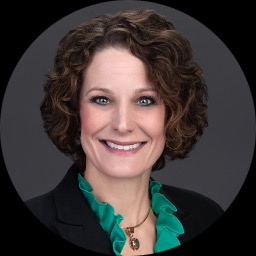
Crystal Williams
LCPC
Practical support for stress and life transitions
- Stress, Anxiety
- Grief
- Self esteem
Illinois 25 yrs
Clinical social work directory
378 therapists in this directory hold a licence issued in Illinois. Sessions are online; a therapist can normally only see people located in a state where they hold a licence, so check the credentials panel on each profile. LCPC and LPC are the same licence under different state names.
Welcome to LCPC Therapists' Illinois online therapist listings. All therapists shown here are licensed in Illinois and list their approaches, focus areas, languages, and credentials for you to review.
Explore profiles to compare what matters most to you, then reach out to a therapist whose experience and style match your needs.
LCPC
Practical support for stress and life transitions
LCPC
Straightforward counseling for stress and relationships
LCPC
Practical support for stress and emotional challenges
LCPC
Compassionate, practical support for changing inner dialogue
LCPC
Therapist focused on practical support and growth
LCPC
Practical, compassionate counseling for everyday struggles
LCPC
Experienced Illinois LCPC focusing on healing and practical change
LCPC
Compassionate counselor for relationships and life changes
LCPC
Calm, practical counseling for everyday challenges
LCPC
Compassionate counselor for addiction and trauma recovery
LCPC
Practical, evidence-based care for everyday challenges
LCPC
Calm, experienced counselor focused on practical change
LCPC
Practical trauma-informed counseling for adults
LCPC
Practical, strengths-based counseling for common struggles
LCPC
Compassionate, practical counseling for life changes
LCPC
Practical, respectful counseling for everyday struggles
LCPC
Calm, practical support for life’s challenges
LCPC
Calm, practical support for life’s harder moments
LCPC
Compassionate, practical support for life changes
LCPC
Therapist blending practical tools and listening
LCPC
Relational therapist focused on attachment and practical change
LCPC
Compassionate counselor for stress and relationships
LPC, LCPC
Practical, goal-focused counseling with warmth
LCPC
Compassionate counselor focused on steady progress
LCPC
Practical counseling for life transitions
LCPC
Practical support for stress and relationship challenges
LCPC
Compassionate, practical help for daily challenges
LCPC
Compassionate support for relationship and identity challenges
LCPC
Practical support for stress and life changes
LCPC
Helping people find steady, practical paths forward
LCPC
Practical guidance for steady personal change
LMHC, LCPC
Calm, clear support for life’s hard moments
LCPC
Practical, experienced counseling for stress and addiction
LCPC
Practical, goal-focused counseling for relationship and mood
LCPC
Compassionate, practical counseling for everyday struggles
LCSW, LCPC
Helping people rebuild steadiness and direction
LCPC
Guided practical therapy for everyday challenges
LCPC
Practical, evidence-based support for stress and trauma
Some links on this page are partner links. We will earn a commission if you sign up through one, at no cost to you. It does not change what you pay or the order of the listings.
If you are looking for counseling from the comfort of your home or while on the go, online therapy is widely offered by clinicians licensed to practice in Illinois. Many licensed counselors, social workers, psychologists, and marriage and family therapists include remote sessions among the options they describe in their profiles. The technology used can range from video calls to phone sessions and text-based messaging systems provided by the clinician or their practice. When you focus your search on therapists who provide online sessions, you will find professionals who describe their typical session formats, languages spoken, and the populations they work with.
Online care is particularly common among clinicians who work with clients across a large state like Illinois because it reduces travel time and helps connect people in suburban or rural areas with professionals based in urban centers. Laws that govern practice require clinicians to be licensed in the state where you are located at the time of the session, so when you review listings here you will see clinicians who are licensed to work with Illinois residents. The range of approaches you encounter will vary - some therapists list cognitive-behavioral methods, psychodynamic approaches, mindfulness-informed care, or other modalities; when a profile mentions EMDR or similar methods, that means the clinician lists that approach among their offerings rather than serving as a certification statement.
Online therapy offers practical benefits that can make it easier for you to prioritize mental health. You may save time you would otherwise spend commuting, which can be a major advantage in a state with long travel distances between towns. This can open up scheduling options that fit around work, school, and family responsibilities, and it may reduce the friction of keeping regular sessions. For people managing mobility limitations, caregiving duties, or transportation constraints, remote sessions can remove barriers that once made it difficult to attend appointments.
Another benefit is geographic flexibility. You can connect with clinicians who have language skills or cultural backgrounds that match your needs even if they are located in a different part of the state. That can be important if you prefer to work with a therapist who shares or understands particular cultural, religious, or linguistic experiences. Online formats also let you maintain continuity of care when life events require you to travel within Illinois, since you can continue seeing a clinician who is licensed in the state without changing providers.
Therapists who provide online services in Illinois work with a wide range of concerns. You will find clinicians who describe experience supporting people with anxiety, depression, stress related to work or school, relationship challenges, parenting stress, grief, and life transitions such as career changes or relocation. Many profiles also note that therapists work with those navigating identity questions, family conflict, or challenges related to major life events. Some clinicians list approaches they use for trauma-related concerns; in profiles where EMDR or other trauma-focused methods are mentioned, that indicates those approaches are among the clinician's described methods.
Those seeking support for substance use, obsessive thoughts, chronic health-related stress, or difficulties with mood regulation can also find clinicians who indicate they work with these issues. Online therapy can be well suited to talk-based work, skills development, and short-term problem solving as well as longer-term therapy. If you have concerns about safety or immediate risk, online therapy profiles frequently include information about how a therapist manages emergencies and coordinates with local resources; you should ask about those protocols when you contact a clinician.
Verifying a clinician's license is an important step when you are considering an online therapist. You can confirm licensure through the Illinois licensing board that regulates the clinician's profession. A license lookup will typically show the license type, current status, expiration date, and whether any disciplinary actions are recorded. Common license types you may encounter include Licensed Clinical Professional Counselor (LCPC), Licensed Clinical Social Worker (LCSW), and psychologist credentials such as PhD or PsyD. When you see a license abbreviation on a profile, that reflects the credential the clinician lists, and public licensure records provide the official verification you can rely on.
When you check a license, note the exact name the clinician uses in public records and compare it to the name on their profile. If you have questions about what a license means, the licensing board can explain scope of practice information for the profession. You should also review any available public disciplinary information; a clear record is a helpful indicator that you are working with a clinician who meets state requirements. If you plan to use insurance, your insurer may also provide a provider lookup that displays licensure and in-network status.
Before you reach out to a clinician, take a moment to define what you hope to address in therapy. You may want to focus on specific symptoms such as intense worry or sleep problems, relationship concerns, parenting support, or coping with life transitions. Clarifying your goals will help you identify profiles where therapists describe experience with similar issues. Read profiles for information about approaches, languages offered, and any notes about populations the clinician mentions working with.
When you contact a therapist, it is appropriate to ask about practical matters that affect your experience. Typical topics include session length, fee structure, whether the clinician accepts insurance or offers a sliding scale, and what technology they use for remote sessions. You may also want to ask how they handle privacy and recordkeeping, how they approach crisis planning if an urgent situation arises, and whether they have experience with the specific issue you are facing. If a profile lists an approach you are curious about, ask the clinician to describe how they use that approach in practice, noting that profiles reflect the methods clinicians list rather than a certification.
Fit is often about the relationship you build with a clinician. You can pay attention to communication style, whether the clinician's explanations resonate with you, and whether you feel heard during an initial conversation. Many people schedule an initial consultation or introductory session to get a sense of the clinician's style and to evaluate how comfortable they feel with the remote format. It is normal to try a few conversations before you find the right match, and taking notes about what matters most to you can make comparison easier.
For your first remote session, choose a quiet setting where you can speak openly and where interruptions are minimized. Test your device and internet connection in advance and make sure you know how to join the session on the platform the clinician uses. Have a list of questions ready about the clinician's approach and about boundaries around communication outside sessions. Consider discussing how to handle emergencies and what local resources the clinician recommends in Illinois if urgent help is needed between sessions.
Choosing an online therapist in Illinois is a process that combines practical checks with personal judgment. By reviewing licensure, reading profiles carefully, preparing questions about approach and logistics, and giving yourself permission to try more than one clinician if needed, you increase the likelihood of finding someone whose style and experience align with your needs. Use the listings here to compare approaches, languages, and specialties, and take the time to reach out to clinicians whose profiles feel like a fit for the work you want to do.