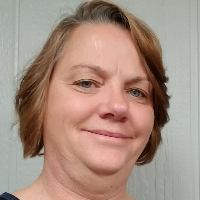
Juanita Ross
LCPC
Experienced Montana LCPC focused on practical change
- Stress, Anxiety
- Trauma and abuse
- Anger
Montana 19 yrs
Clinical social work directory
76 therapists in this directory hold a licence issued in Montana. Sessions are online; a therapist can normally only see people located in a state where they hold a licence, so check the credentials panel on each profile. LCPC and LPC are the same licence under different state names.
Welcome to the Montana online therapist directory. All listed therapists are licensed; explore profiles to learn about their approaches, specialties, credentials, and languages.
LCPC
Experienced Montana LCPC focused on practical change
LCPC
Compassionate counseling for practical change
LCPC
Practical, relationship-focused therapy for life challenges
LCPC
Compassionate counseling for sexuality and relationships
LPC, LCPC
Practical counseling for stress and life changes
LCPC
Practical CBT and mindfulness for real problems
LCPC
Practical, supportive therapy for everyday struggles
LCPC
Straightforward help for everyday struggles
LCPC, LMHC
Compassionate counselor focused on practical change
LCPC
Practical, experienced counseling for life transitions
LCPC
Practical support for stress and life transitions
LPC, LCPC
Compassionate skills-based care for daily life
LCPC
Compassionate support for stress and life change
LCPC, LPC
Practical, respectful counseling for everyday struggles
LPCC, LCPC
Practical, compassionate counseling for daily struggles
LCPC
Practical, skills-focused therapy for day-to-day life
LCPC
Practical, person-centered counseling for life changes
LCPC
Calm, practical counseling focused on your goals
LCPC
Practical counseling for stress and trauma
LCPC
Practical, respectful support for change
LCPC
Practical, steady support for life’s difficult moments
LCMHC, LCPC
Supportive counselor using practical therapies
LCPC
Practical skills and nonjudgmental support
LCPC
Calm listener who helps you find direction
LCPC
Warm Montana counselor focusing on practical coping skills
LCPC
Calm, practical support for stress and anxiety
LPC, LCPC
Practical support for stress and trauma
LCPC
Calm parts work for stress and trauma
LCPC
Guided, practical counseling for life transitions
LCPC
Compassionate, practical support for change
LCPC, LPC
Compassionate, practical therapy for life’s challenges
LCPC, LMFT
Compassionate counselor focused on practical change
LCPC
Skills-based care for stress and relationship wounds
LCPC
Helping people change thoughts and behaviors
LPC, LCPC
Practical, down-to-earth counseling for real problems
Some links on this page are partner links. We will earn a commission if you sign up through one, at no cost to you. It does not change what you pay or the order of the listings.
Online therapy has become a common option for people across Montana, connecting residents in small towns and larger cities alike with licensed clinicians via video and phone sessions. Because Montana covers vast rural areas and long travel distances, remote sessions can make it easier to access a wider variety of therapeutic styles and clinician backgrounds than local in-person options alone. Many therapists profile their session formats, the populations they work with, and the languages they speak, giving you a way to find someone whose focus aligns with what you want to address.
When you explore online therapy, you may notice a range of session types and approaches listed by clinicians. Some therapists describe work with individuals, couples, or families. Others emphasize specific life stages such as adolescent care or support for older adults. A number of clinicians list approaches like cognitive behavioral therapy, mindfulness-informed care, family systems work, or trauma-focused methods; in those cases you will often see phrasing like therapists who list EMDR among their approaches, or therapists who list CBT among their approaches. Profiles typically include education, licensure type, and languages spoken so you can get a clear picture of professional background before you reach out.
Online therapy reduces the need for long drives and makes it easier to fit sessions into busy weeks, whether you live in a remote valley or a bustling college town. You can join a session from your home, office, or a quiet car before a commute, which can reduce lost time and increase consistency in attending sessions. Many people appreciate the convenience of not needing childcare or extensive travel arrangements, and the ability to maintain continuity when work, school, or seasonal obligations change your routine.
Beyond convenience, online therapy widens the pool of clinicians you can connect with if you need a particular language, cultural background, or clinical approach. If you want someone who has experience addressing veteran concerns, rural stressors, or parenting teens, you may find a better match through online listings than by limiting your search to local offices. The range of session formats also allows you to choose what feels most comfortable - some people prefer face-to-face video visits while others find phone sessions less intrusive. In every case, thinking about the practical aspects of how you want to engage will help you find an approach that fits your life.
Online therapists in Montana work with a broad spectrum of concerns. You can find clinicians who list experience helping with anxiety and depression, relationship challenges, grief and loss, adjustments to major life transitions, and stress related to work or school. Many profiles indicate focus areas such as parenting difficulties, adolescent behavioral issues, and coping with chronic health conditions. Therapists who list trauma-focused approaches among their modalities may work with people processing past traumatic experiences, and those who list substance-use approaches may offer support for people navigating recovery-related concerns.
Living in rural environments or managing seasonal work can create unique stressors, and online therapy can address those contextual factors directly. Whether you are navigating the demands of farm life, military transitions, or the emotional strain of caregiving, you can find clinicians who highlight relevant experience and who describe how they approach those topics. Keep in mind that approach labels on a profile describe how a clinician frames their work rather than a guarantee of specific outcomes. Use the profile information to identify therapists whose focus areas and stated approaches align with the practical and emotional challenges you want to address.
Confirming a therapist's licensure is a practical step before you begin working together. Profiles often display a license type and license number; you can use that information to look up license status through the appropriate Montana licensing board. When you search, you will usually find details such as the licensure category, the date issued, and whether any disciplinary actions are recorded. If a profile lists a license type like LCPC, LCSW, or LMFT, that label identifies the professional credential recognized by the state board.
If you want additional clarity about what a license covers, contacting the licensing board directly or using its license verification tool can answer questions about scope of practice and current standing. It is also helpful to pay attention to the jurisdiction the license refers to, because licensure is granted by states. If you are engaging in online therapy from within Montana, confirm that the clinician holds appropriate licensure for practice in Montana or otherwise communicates how they legally provide services to Montana residents. The licensing board can provide the most up-to-date information about credentials and any consumer protections available to you.
Begin by clarifying what you hope to address in therapy and which qualities matter most to you in a clinician. Some people prioritize a specific therapeutic approach, others want someone who speaks a particular language or has experience with a certain population. Use profile filters or search terms to find therapists who list those interests and approaches. Once you find a few profiles that resonate, reach out to introduce yourself, describe the issues you want to work on, and ask about the practical aspects of working together such as session format, payment options, and how they structure their work. Many clinicians are willing to share general information about their approach and what a typical session looks like so you can decide if their style is a good match.
Choosing a therapist is a personal decision and you should feel empowered to trust your judgment. Look for clear descriptions of how the clinician works and what outcomes they aim to support, and note whether their language feels respectful of your background and values. Consider logistical factors such as session length, fees, and whether they accept your insurance or offer sliding-scale options. It is also reasonable to ask about technology requirements for video sessions and what to expect if a connection is interrupted. When you speak with a clinician before the first appointment, notice whether they listen to your goals and explain a general plan for addressing them in a way that makes sense to you.
Finally, pay attention to cultural fit and communication style. You may prefer a clinician who is direct and structured or one who is more exploratory and reflective. Language and cultural awareness can be especially important if you want to discuss identity, cultural stressors, or family dynamics. Many therapists list languages spoken and relevant experience, so use that information to find a clinician who can engage with your lived experience. If something about a profile or an initial conversation does not feel right, it is appropriate to continue your search until you find the clinician who feels like the best match for your needs and goals.
Online therapy in Montana opens up options that can align with your schedule, geography, and personal preferences. By reviewing profiles carefully, verifying licensure through the appropriate board, and asking practical questions about approach and format, you can find a clinician whose style and focus match what you want to work on. Taking these steps will help you begin therapy with clearer expectations and a better sense of whether the fit feels right for you.