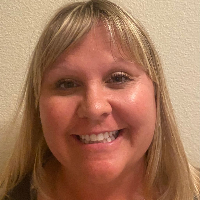
Maria "Patti" Lorenzo
LCPC
Compassionate, practical support for changing inner dialogue
- Trauma and abuse
- Self esteem
- Coping with life changes
Illinois 12 yrs
Clinical social work directory
115 therapists list hospice and end-of-life counseling among the things they work with. All offer sessions online, and every profile shows the registering body, the membership number and when it runs to.
Explore therapists who specialize in hospice and end-of-life counseling to support you or a family member navigating serious illness, grief, and care planning. Use the listings below to compare therapists' focus areas, approaches, credentials, languages, and experience. Browse profiles to find a professional who feels like a good fit for your needs.
LCPC
Compassionate, practical support for changing inner dialogue
LPC, LCPC
Practical, strength-focused counseling for life changes
LCPC
Practical, compassionate counseling for everyday struggles
LCPC
Compassionate counseling for practical change
LCPC
Practical, evidence-based care for everyday challenges
LPC, LCPC
Practical, goal-focused counseling with warmth
LCPC
Therapist blending practical tools and listening
LCPC
Practical support for stress and relationship challenges
LCPC
Compassionate support for relationship and identity challenges
LCPC
Experienced counselor for practical coping strategies
MD, LCPC
Calm, practical support for strong emotions
LCPC, LPC
Compassionate counselor focused on practical change
LCPC
Guided practical therapy for everyday challenges
LCPC
Practical, affirming therapy for mood and identity concerns
LCPC
Practical, person-focused counseling for life challenges
LCPC
Practical, evidence-based support for life stressors
LCPC, LPC
Compassionate support for addiction and trauma recovery
LCPC
Experienced counselor guiding practical change
LCPC
Compassionate, practical counseling for everyday challenges
LCPC
Practical, respectful support for change
LCMHC, LCPC
Person-centered counseling for recovery and growth
LCPC, LPC
Practical counseling for people feeling stuck
LCPC, LCMHC
Compassionate counselor who builds practical coping skills
LCPC
Practical support for stress, grief, and relationships
LPC, LCPC
Compassionate counselor blending therapy and coaching
LPC, LCPC
Practical goal-focused counseling for real change
LMHC, LCPC
Compassionate care for anxiety and life changes
LCPC, LPC
Practical therapy for stress, trauma, and life changes
LCPC
Compassionate counselor blending practical skills and insight
LCPC, LMHC
Compassionate clinician blending counseling and pastoral care
LCPC
Practical, faith-informed counseling for everyday struggles
LCPC, LPC, LPC-MH
Compassionate counselor guiding practical change
MD, LCPC
Compassionate, practical support for life changes
LMHC, LCPC
Compassionate clinical counselor focused on practical change
Some links on this page are partner links. We will earn a commission if you sign up through one, at no cost to you. It does not change what you pay or the order of the listings.
Hospice and end-of-life counseling helps people and families navigate the emotional, relational, and existential aspects of serious illness, terminal diagnoses, and the period following a death. You may encounter conversations about how to talk with loved ones about wishes for care, how to manage anticipatory grief, and how to find meaning as roles and routines change. Counseling in this area often addresses practical coping strategies as well as deeper questions about identity, faith, and legacy. For caregivers, sessions can offer tools to manage stress, set boundaries, and reduce exhaustion that comes from balancing responsibilities. When you are the person facing a life-limiting illness, counseling can create space to name fears, make plans, and express unresolved feelings in a calm setting.
People come to hospice and end-of-life counseling from many directions. Some seek support after receiving a prognosis, others begin counseling while supporting a loved one, and many look for help during bereavement. The emotional landscape is rarely linear. You might feel relief, anger, grief, regret, or unexpected pockets of joy, and a counselor can help you make sense of those shifting emotions. Counseling does not aim to give medical advice, but it can complement medical care by helping you clarify values, communicate preferences, and prepare emotionally for transitions.
You may benefit from hospice and end-of-life counseling if you notice prolonged or intense distress that makes daily functioning difficult, or when conversations about care preferences and legacy become overwhelming. If you or a family member are avoiding discussions about prognosis, choosing not to make important decisions, or experiencing repeated trouble sleeping, eating, or concentrating, these can be signals that additional emotional support would help. Caregivers who feel persistently exhausted, resentful, or isolated often find it useful to have a space to process those feelings without judgment.
Another sign is when relationships strain under the weight of decisions about care. Disagreements about treatment goals, financial stress, or differing expectations for family roles can intensify grief and anxiety. If you notice increased conflict, withdrawal, or an inability to have practical conversations, a counselor may help by teaching communication skills and mediating difficult topics. Finally, spiritual or existential distress - questions about meaning, unfinished business, or regret - is a common reason to seek counseling. These concerns are not medical problems to be fixed, but human experiences that benefit from thoughtful conversation and coping strategies tailored to your values.
In early sessions, your counselor will typically invite you to describe what brings you in, what matters most to you right now, and what outcomes you hope to achieve. The pace will depend on your circumstances - sometimes practical planning and communication strategies take precedence, and other times emotional or spiritual exploration is central. Sessions may include space for you to tell life stories, reflect on priorities, or rehearse conversations with loved ones. If you are a caregiver, sessions often combine emotional support with problem-solving about daily care, respite options, and boundary-setting.
Counseling can involve individual meetings, sessions with family members, or bereavement-focused work after a death. You should expect an emphasis on listening and validation first, followed by collaborative planning for coping tools, communication techniques, and meaning-making exercises. Some counselors use narrative techniques to help you shape a coherent story about this life stage, while others prioritize skills-based strategies to manage anxiety and grief. Over time, many people find that counseling provides not only emotional relief but also clearer thinking about practical decisions and relationships.
Family sessions may help you and your relatives align on care preferences, clarify roles, and reduce misunderstandings that often arise under stress. Legacy work can include creating life reviews, audio or written messages for loved ones, or projects that highlight values and memories. These activities can be healing for both the person facing end-of-life and their family, and counselors often support logistics, emotional preparation, and follow-through for these projects.
Therapists bring many approaches to this specialty, and you will likely encounter a mix of emotion-focused, narrative, and skills-based methods. Some therapists emphasize grief-focused models that help you recognize and process anticipatory grief and bereavement. Others integrate family-systems work to address interpersonal dynamics that affect decision-making and caregiving. Cognitive-behavioral techniques can be useful when anxiety or depression interfere with daily life, teaching practical strategies for managing distressing thoughts and behaviors.
It is common to find therapists who list expressive therapies among their approaches, offering art or writing interventions to help you express feelings that are hard to talk about. Mindfulness and acceptance-based strategies are often used to support present-moment coping with pain, fear, or uncertainty. You may also find therapists who list narrative therapy as an approach, focusing on the stories people tell about illness and identity and helping you reclaim agency by reframing those stories. When reviewing profiles, note how therapists describe their approaches and whether they mention working with families, caregivers, or specific populations such as older adults or those facing life-limiting conditions.
Online counseling can be a practical option when travel, mobility, or caregiving responsibilities make in-person visits difficult. Many therapists offer video sessions that closely mirror in-person meetings, allowing you to speak face-to-face from home or another comfortable environment. Phone sessions can be an alternative when video is not possible, and some therapists provide messaging or brief check-ins between sessions to help you manage urgent feelings. Online counseling can also make it easier to include family members who live far away in joint sessions, creating a shared space for planning and communication.
When choosing a therapist, pay attention to their stated focus areas, the populations they list, and the types of sessions they describe. Look for therapists who explicitly mention hospice, end-of-life work, bereavement, caregiver support, or palliative care among their specialties, and consider whether they list experience working with people from your cultural, religious, or linguistic background. Credentials such as LCPC, LCSW, LMFT, or PhD/PsyD indicate licensure type, but the way a therapist describes their approach and experience often tells you more about fit. Read therapist profiles to learn whether they emphasize family meetings, legacy work, grief counseling, or practical planning.
Consider practical questions that matter to you. Think about whether you prefer a therapist who integrates spiritual or existential discussion, someone who focuses on communication and planning, or a practitioner who favors expressive methods like life-review projects. If language access is important, look for therapists who list the languages they speak. You may also want to ask how the therapist structures sessions, how they include family members, and what types of goals they set with clients. Trust your instincts about rapport - feeling heard and respected is often the most important factor in effective counseling.
Finally, prepare for your first session by reflecting on immediate concerns, questions you want to address, and any practical information that could help the therapist, such as the nature of the illness, key people involved in care, and recent changes in mood or behavior. Being able to describe what you hope to accomplish in counseling helps you and your therapist create a focused plan. Whether you are seeking emotional relief, help with decision-making, or support for family conversations, a therapist who specializes in hospice and end-of-life counseling can partner with you to navigate this challenging time with compassion and clarity.