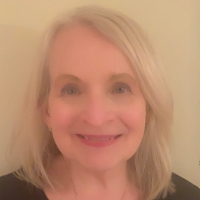
Juanita Ross
LCPC
Experienced Montana LCPC focused on practical change
- Stress, Anxiety
- Trauma and abuse
- Anger
Montana 19 yrs
Clinical social work directory
208 therapists list ocd among the things they work with. All offer sessions online, and every profile shows the registering body, the membership number and when it runs to.
This page features counselors who list obsessive-compulsive disorder (OCD) among their specialties, including clinicians offering in-person and remote sessions. Browse the therapist profiles below to compare approaches, credentials, languages, and experience before reaching out.
LCPC
Experienced Montana LCPC focused on practical change
LCPC
Straightforward counseling for stress and relationships
LCPC
Compassionate, practical support for changing inner dialogue
LPC, LCPC
Warm, practical counseling for life transitions
LCPC
Compassionate, practical support for life’s hard moments
LCPC
Compassionate guidance for life's hard moments
LCPC
Practical, compassionate counseling for everyday struggles
LCPC, LPC
Hopeful, practical therapy with an experienced clinician
LCPC
Compassionate counseling for practical change
LCPC
Calm, practical counseling for everyday challenges
LCPC
Calm, experienced counselor focused on practical change
LPC, LCPC
Practical, client-centered therapy for overwhelmed adults
LCPC
Practical trauma-informed counseling for adults
LCPC
Compassionate, practical therapy for life changes
LPC, LCPC
Practical, goal-focused counseling with warmth
LCPC
Compassionate, practical support for life changes
LCPC
Relational therapist focused on attachment and practical change
LCPC
Compassionate counselor focused on steady progress
LCPC, LPC
Practical, person-centered counseling for daily life
LCPC
Practical support for stress and life changes
LCPC
Experienced counselor for practical coping strategies
MD, LCPC
Calm, practical support for strong emotions
LCPC
Practical guidance for steady personal change
LCPC, LPC
Compassionate counselor focused on practical change
LMHC, LCPC
Calm, clear support for life’s hard moments
LCPC
Guided practical therapy for everyday challenges
LPC, LCPC
Compassionate, practical counseling for everyday challenges
LCPC
Practical support for relationship and life changes
LCPC
Practical, person-focused counseling for life challenges
MD, LCPC
Practical, steady support for life changes
LCPC
Support for stress, loss, and life change
LPC, LCPC
Mindful, values-focused practical therapy
LCPC
Compassionate counselor focused on practical change
LCPC
Practical therapy for stress and relationships
LCPC
Compassionate, practical support for life’s hard moments
MD, LCPC
Empathetic clinician focused on practical change
MD, LCPC
Compassionate, practical care for stress and anxiety
LPCC, LCPC
Practical, compassionate counseling for daily struggles
LCMHC, LCPC
Calm, practical counseling for everyday challenges
LCPC
Practical, person-centered care for everyday struggles
MD, LCPC
Compassionate, practical therapy for real life
LCPC
Compassionate LCPC helping people navigate life and relationships
LCPC
Compassionate, practical help for daily struggles
Some links on this page are partner links. We will earn a commission if you sign up through one, at no cost to you. It does not change what you pay or the order of the listings.
Obsessive-compulsive disorder, commonly called OCD, involves recurring thoughts or urges that feel intrusive and distressing along with behaviors or mental rituals aimed at reducing that distress. For you, intrusive thoughts might show up as fears about contamination, worries about harm coming to others, or persistent doubts about ordinary tasks. The behaviors you use to manage those thoughts can range from checking, cleaning, and repeating actions to mental rituals such as silently counting or reviewing events in your mind.
OCD affects people differently depending on the themes of the obsessions and the types of compulsions. Some people experience slowdowns in daily routines because rituals take a lot of time. Others find social interactions and work tasks are affected when obsessions trigger avoidance or secrecy. You might notice that the behaviors provide only brief relief and that anxiety or doubt returns, which can make the cycle feel relentless. Understanding this cycle - intrusive thought, anxiety, ritual, temporary relief - is a first step in recognizing how OCD shapes your day-to-day life.
If you suspect OCD is affecting your life, there are some common indicators that therapy can help you manage symptoms more effectively. You may spend a large portion of your time performing rituals or engaging in mental checking, which interferes with work, school, relationships, or self-care. You might hide rituals from friends or family due to shame or fear of judgment, or you could avoid situations that trigger your obsessions, which can limit your activities and opportunities.
Emotional signs can include persistent anxiety, distress, mood changes, or a sense that your life is constrained by rules you feel compelled to follow. You may also find that attempts to ignore or suppress intrusive thoughts make the thoughts feel louder. If you notice these patterns and they reduce your quality of life or increase your distress, reaching out to a counselor who works with OCD can provide assessment, support, and structured methods to reduce the hold these symptoms have on you.
When you begin working with a counselor for OCD, the first sessions often focus on understanding the specific obsessions and compulsions that affect you. A clinician will typically ask about the content, frequency, and impact of your thoughts and behaviors so they can help you develop a personalized plan. You and the counselor will also talk about what has helped or hindered you in the past, any medical or medication history, and your daily routines so the plan fits your life.
Therapy sessions usually follow a structured yet collaborative format. You can expect to learn strategies to manage anxiety in the moment and to practice new responses to intrusive thoughts. Homework between sessions is common because change often happens when you apply skills in everyday situations. Over time, you will likely work toward reducing rituals and avoidance while increasing your tolerance for uncertainty. The pace is set in partnership with you, and progress is measured by changes in how you respond to triggered situations rather than the complete absence of intrusive thoughts.
Early in therapy you and your counselor will set goals that reflect what matters most to you - whether that is spending less time on rituals, returning to previously enjoyed activities, or reducing anxiety around specific triggers. Clear goals help guide the selection of techniques and the structure of sessions so both you and your counselor know what you are working toward.
Several well-established approaches are commonly used to address OCD. Exposure and response prevention, often abbreviated ERP, is a behavioral method that helps you face feared situations or thoughts without carrying out rituals, allowing you to learn that anxiety decreases over time without the ritual. Cognitive-behavioral therapy, or CBT, helps you identify and reframe unhelpful thought patterns that maintain anxiety and ritual behaviors. Some counselors describe using acceptance-based techniques that emphasize changing your relationship to thoughts instead of trying to eliminate them.
You will also find clinicians who combine elements from different approaches to suit your needs. Some counselors list mindfulness or acceptance and commitment strategies among their approaches, aiming to help you tolerate distressing thoughts with less struggle. Others may work with family-based strategies when OCD affects children or teens, involving caregivers in supporting exposures and reducing accommodation of rituals. If medication is part of your care plan, many people find a combined approach with a prescriber and a counselor useful, where medication can reduce symptom intensity while therapy targets behavioral patterns. In listings you will see clinicians who list ERP, CBT, mindfulness, or other approaches among their methods rather than formal certifications noted as training can vary.
Online therapy offers a flexible way to work on OCD from your home or another setting that feels comfortable. Sessions typically occur through video conferencing or phone, and many counselors adapt exposure tasks and homework to work well in a remote format. For example, your counselor might guide you through exposures that involve items or routines in your living space, or coach you on confronting refusal of rituals while you are present in a session.
You should expect to discuss logistical details up front so you know how to connect, what tools or worksheets will be used, and how homework will be assigned and reviewed. Online therapy can make it easier to access clinicians who list specialized approaches for OCD even if they are not local. It also allows for continuity of care if you travel or have scheduling constraints. When considering online work, think about how comfortable you are using video technology and whether you have a location where you can speak and practice without interruptions, as consistent practice in real-world settings is a key part of progress.
Choosing a counselor is a personal process, and several practical factors can help you narrow options. Consider whether you prefer in-person or remote sessions, which languages you communicate best in, and whether cultural factors are important for your care. Look for clinicians who list OCD and related approaches among their specialties so their stated focus aligns with the kinds of strategies you want to try. Reading profiles can help you compare descriptions of how counselors approach assessment, exposure work, or integrating family members when appropriate.
When you contact a counselor, it is reasonable to ask about their experience working with the types of obsessions and compulsions you face, how they structure ERP or cognitive work, and what typical early goals look like. You can also inquire about session length, fees, insurance processes, and how they support homework and real-life practice. Trust your sense of fit - the working relationship you have with a counselor often matters as much as the specific techniques they use. If something does not feel right, you can continue your search until you find someone whose approach and rapport suit you.
Seeking help for OCD is a step toward regaining time and choices that symptoms may have taken from you. With consistent practice, guidance tailored to your patterns, and clear goals, many people find ways to reduce the power of intrusive thoughts and rituals in daily life. Use the listings above to explore counselors who list OCD among their specialties and to find the style of care that aligns with how you want to move forward.