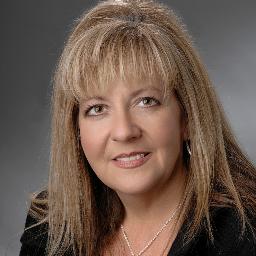
Juanita Ross
LCPC
Experienced Montana LCPC focused on practical change
- Stress, Anxiety
- Trauma and abuse
- Anger
Montana 19 yrs
Clinical social work directory
136 therapists list phobias among the things they work with. All offer sessions online, and every profile shows the registering body, the membership number and when it runs to.
This directory lists licensed counselors who focus on phobias and fear-related concerns. Browse the therapist profiles below to review their approaches, credentials, languages, and experience.
LCPC
Experienced Montana LCPC focused on practical change
LCPC
Straightforward counseling for stress and relationships
MD, LCPC, LPCC
Insight-driven counselor focused on relationships
LCPC
Compassionate guidance for life's hard moments
LCPC
Practical, compassionate counseling for everyday struggles
LCPC
Calm, experienced counselor focused on practical change
LCPC
Compassionate, practical therapy for life changes
LPC, LCPC
Practical, goal-focused counseling with warmth
LCPC
Compassionate, practical support for life changes
LCPC
Practical support for stress and life changes
MD, LCPC
Calm, practical support for strong emotions
LCPC
Guided practical therapy for everyday challenges
LPC, LCPC
Compassionate, practical counseling for everyday challenges
LCPC
Practical support for relationship and life changes
LCPC
Practical, person-focused counseling for life challenges
LCPC, LPC
Practical support for stress and life changes
LPC, LCPC
Mindful, values-focused practical therapy
LCPC
Compassionate counselor focused on practical change
MD, LCPC
Experienced Maryland counselor focusing on practical change
LPCC, LCPC
Practical, compassionate counseling for daily struggles
LCMHC, LCPC
Calm, practical counseling for everyday challenges
LCPC
Calm, practical counseling focused on your goals
LPC, LCPC
Helping people move past stuck patterns
LCPC
Compassionate, practical help for daily struggles
LCPC, LPC
Practical counseling for people feeling stuck
MD, LCPC, LPC
Practical, respectful therapy for everyday struggles
LCPC
Calm, practical help for everyday struggles
LCPC
Practical, experienced counseling for life stressors
LPC, LCPC
Calm-focused therapy for anxiety and performance pressure
LCPC
Compassionate, practical therapy for real-life struggles
LPC, LCPC
Practical goal-focused counseling for real change
LMHC, LCPC
Compassionate care for anxiety and life changes
LCPC
Compassionate counselor focused on practical change
MD, LCPC
Compassionate clinician using practical therapy tools
LPC, LCPC
Supportive counselor combining skills and compassion
LCPC
Practical, hopeful therapy with a strengths focus
LCPC, LMHC
Compassionate clinician blending counseling and pastoral care
LMHC, LCPC
Calm, practical support for life's hard transitions
LCPC, LPC, LPC-MH
Compassionate counselor guiding practical change
MD, LCPC
Compassionate, practical counseling focused on change
LCPC, LPC
Compassionate counselor focused on practical coping
LCPC, LPC
Compassionate counselor focused on practical change
Some links on this page are partner links. We will earn a commission if you sign up through one, at no cost to you. It does not change what you pay or the order of the listings.
Phobias involve intense, often disproportionate fear of specific objects, situations, or activities. You might encounter common examples such as a fear of flying, heights, animals, injections, or enclosed spaces, but phobias can also be highly individualized. When a fear becomes a phobia, it typically triggers strong physical reactions like rapid heartbeat, sweating, trembling, shortness of breath, or a strong urge to escape. Those reactions can interrupt daily routines, work, travel, relationships, and social activities. Over time you may begin to change your behavior to avoid triggers, which can narrow your life and create frustration or embarrassment.
Phobias can develop gradually after a distressing experience, appear without an obvious trigger, or emerge in childhood and persist into adulthood. The intensity of a phobia varies: some people feel significant discomfort but can still function, while others experience panic-level reactions that make it hard to engage with certain tasks. Because avoidance reinforces fear, many people find that phobias do not resolve on their own. Therapy can help you understand the patterns that sustain fear and develop practical strategies to reduce reactivity and expand your day-to-day possibilities.
Deciding to seek therapy often starts with noticing how fear changes what you do and how you feel. If you find yourself planning around a fear, canceling events, or driving long distances to avoid a certain situation, the fear has likely begun to shape choices in ways you do not want. You might also experience intense anxiety or panic when faced with a trigger, needing time to recover after exposure. Sleep disturbance, anticipatory anxiety before anticipated encounters, and persistent worry that a feared situation will occur are other common indicators that you could benefit from professional support.
Emotional effects can be subtle as well. You may feel embarrassed, ashamed, or frustrated by a fear that others seem to handle easily, or you might notice that avoidance reduces your confidence over time. Therapy can be helpful not only when fear is extreme but also when it consistently limits your plans or keeps you from enjoying activities. If you are uncertain, an initial consultation with a therapist who lists phobia-focused approaches can help you clarify goals and learn whether a particular method or process might suit you.
In early sessions, a therapist will typically ask about your history with the fear, how it shows up in daily life, and what you want to change. You and the therapist will discuss realistic goals and a plan for working toward them. This includes identifying situations that provoke fear, the intensity of reactions, and any strategies you currently use to cope. The assessment creates a map to guide treatment and helps you and the therapist decide on techniques that match your needs and comfort level.
Therapy for phobias is often collaborative and paced to your readiness. Sessions commonly involve learning skills to manage physiological arousal, such as breathing or grounding techniques, while also addressing thoughts and behaviors that maintain fear. Homework exercises are frequently part of the process, giving you opportunities to practice skills and gradually engage with feared situations in real-world contexts. Progress may not be linear; you might notice steps forward mixed with setbacks. A therapist who lists exposure-based approaches among their methods will typically plan gradual exposures and support you through the process, adjusting pace as you gain confidence.
Many therapists who work with phobias draw from cognitive and behavioral methods because these approaches directly target the patterns that sustain fear. Cognitive techniques help you identify and reframe thoughts that exaggerate danger or underestimate coping ability. Behavioral methods, particularly exposure work, focus on reducing avoidance by creating safe, repeated experiences with feared stimuli so that fear naturally diminishes over time. You may encounter a combination of these strategies in practice.
Other approaches can complement cognitive-behavioral work. Mindfulness-based practices help you notice fear-related thoughts and sensations without immediately reacting to them, which can reduce the urge to escape. Acceptance-oriented approaches teach you to make room for uncomfortable experiences while still pursuing meaningful activities. Some therapists also integrate relaxation training to manage acute anxiety symptoms. When you review therapist profiles, look for descriptions indicating a phobia focus and note which approaches they list, since that gives a sense of how they might structure sessions.
Online therapy can be an effective option for many people with phobias, especially when in-person access is limited or when practicing exposures in your own environment is helpful. With remote sessions you can learn tools and practice exercises in the spaces where you experience fear. Video sessions allow therapists to observe your reactions and coach you through in-the-moment strategies. Some people use a mix of online and occasional in-person work depending on the nature of the phobia and the types of exposures involved.
When choosing a therapist, focus on fit rather than promises. Read profiles to find licensed counselors who list phobia-focused approaches and describe experience working with fear and avoidance. Pay attention to their descriptions of methods and whether they mention gradual exposure, cognitive work, or acceptance strategies if those align with what you want. Note languages spoken and professional credentials to ensure communication and clinical oversight match your needs. Consider asking about typical session structure during an initial contact so you can get a sense of pacing and collaboration style.
Trust your instincts about rapport. A therapist who explains methods clearly, answers your questions, and discusses measurable goals can help you feel more comfortable starting the work. Also think about practical matters such as session length, communication preferences, and whether remote sessions fit the kind of exposure practice you anticipate doing. Taking time to compare approaches and reading how therapists describe their work with phobias will help you find someone whose style and approach align with your goals.
Living with a phobia can feel isolating, but many people find that thoughtful, paced therapy reduces reactivity and expands their options. You do not need to eliminate all fear to see meaningful change; learning to respond differently and to reengage with avoided activities can produce significant improvements in quality of life. Use the listings on this page to explore therapists who list phobia-focused approaches, read their practice descriptions, and choose someone whose methods and communication style fit what you want. Starting with clear goals and a therapist who explains the process can make the path forward more manageable and more hopeful.
If you decide to reach out, an initial conversation can help you learn how a prospective therapist structures phobia work, how progress is measured, and what early steps might look like. With gradual effort and the right support, many people discover they can reduce avoidance and regain confidence in situations that once felt overwhelming.