
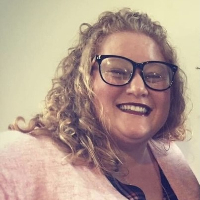
Shannon Jones, LCPC, LPC
Licensed in Texas · 3 years in practice
Shannon Jones is a licensed clinical professional counselor who focuses on practical, evidence-based help for stress, anxiety, grief, anger, low self-esteem, and depression.
License and registration
- LPC, Texas
- 89398 · expires June 2026
- LPC, Arizona
- LPC-24356 · expires October 2027
- LCPC, Nevada
- CP6197-R · expires January 2028
- NPI
- 1881306272 · national provider identifier
- Years in practice
- 3
- Languages
- English
Details are as listed on the therapist's public professional profile. You can check any license with the state board and any NPI with the national registry.
About Shannon
Shannon Jones is a licensed clinical professional counselor who focuses on practical, evidence-based help for stress, anxiety, grief, anger, low self-esteem, and depression. She brings a direct, calm style to sessions and aims to make the first steps feel manageable for people who are nervous about therapy. Shannon works from the view that each person knows their story best.
She helps clients notice strengths they already have and then builds small, achievable steps toward feeling better.
Background and approach
Conversations are straightforward and focused on concrete changes rather than long explanations. Her work includes supporting people navigating abandonment, adoption and foster care issues, attachment concerns, blended family tensions, and fatherhood questions. She also addresses body image, caregiver stress, control and commitment issues, communication struggles, and the aftermath of separation or domestic violence.
Shannon has three years of professional experience and holds credentials as a Licensed Clinical Professional Counselor, LCPC, and as a Licensed Professional Counselor, LPC. She practices in Texas and offers sessions in English. People who choose her can expect regular check-ins on progress and plans they can use between sessions.
She encourages honest conversation and practical problem solving, helping clients experiment with new ways of coping and relating to themselves and others.
Focus areas and approaches
Everything Shannon lists on their public professional profile, in their own terms.
- Stress, Anxiety
- Grief
- Anger management
- Self esteem
- Depression
- Abandonment
- Adoption and foster care
- Attachment issues
- Blended family issues
- Body image
- Caregiver issues and stress
- Commitment issues
- Communication problems
- Control issues
- Divorce and separation
- Domestic violence
- Emptiness
- Family problems
- Fatherhood issues
- Forgiveness
- Guilt and shame
- Impulsivity
- Infidelity
- Isolation / loneliness
- Life purpose
- Men's issues
- Midlife crisis
- Money and financial issues
- Mood disorders
- Narcissism
- Obsessions, compulsions, and OCD
- Panic disorder and panic attacks
- Phobias
- Post-traumatic stress
- Pregnancy and childbirth
- Prejudice and discrimination
- Seasonal Affective Disorder (SAD)
- Self-harm
- Self-love
- Sexual assault and abuse
- Sexuality
- Social anxiety and phobia
- Women's issues
- Workplace issues
- Young adult issues
Online support
Evidence-Based Methods and Online Access
Shannon draws on straightforward, evidence-based therapeutic techniques to help people manage symptoms and build skills. One commonly used approach focuses on teaching concrete coping tools for anxiety and stress, such as breath work, problem-solving steps, and behavioral experiments that test new ways of responding. Another approach centers on grief and loss, helping people process difficult emotions, remember what matters, and find gradual routines that support healing.Choosing the right approach is a collaborative process. Shannon works with each person to match methods to their needs, goals, and daily life. She will check progress and adjust techniques so sessions remain useful and relevant.
Online therapy formats include video calls, phone sessions, live chat, and text-based messaging, making it easier to fit sessions into a busy week. Video is useful for face-to-face conversation and visual cues, phone sessions are helpful when bandwidth is limited, live chat can work for brief check-ins, and text messaging supports ongoing reflection between meetings. These options offer flexibility so people can pick what fits their routine and comfort level.
We will earn a commission if you sign up through our link, at no cost to you. It does not change what you pay or the order of the listings.
Questions people ask
What concerns does Shannon help with?
She focuses on stress, anxiety, grief, anger, low self-esteem, and depression, and also works on related issues such as attachment, body image, caregiver stress, and family change.
What is her therapeutic style like?
Shannon uses practical, evidence-based techniques and keeps sessions focused on clear, achievable steps. Conversations aim to uncover strengths and build skills you can apply between sessions.
How much experience does she have?
She has three years of professional work experience as a counselor.
What credentials and location are listed?
She holds LCPC and LPC credentials and practices in Texas.
Which languages are supported?
Sessions are offered in English.
What session formats are available?
Shannon offers video calls, phone sessions, live chat, and text-based messaging to suit different needs and schedules.
How are costs handled?
Cost varies with location and therapist availability; sessions use a subscription model that can be canceled at any time.
What are the first steps to begin therapy?
Start by selecting the Start Therapy button, complete a short matching questionnaire, and then schedule sessions based on the therapist's availability.
More therapists in Texas
See allSally Bohanon-Davis
LPC, LCPC
Practical, compassionate help for emotional struggles
- Stress, Anxiety
- Trauma and abuse
- Depression

Ajibola Harris
LCPC, LPC
Compassionate counselor focused on practical change
- Stress, Anxiety
- Relationship
- Trauma and abuse


Angie DeWaard
LCPC, LPC
Hope-focused counselor helping people move forward
- Stress, Anxiety
- Addictions
- Grief
Is this your profile?
Ask us to correct details or take the page down.
Contact us