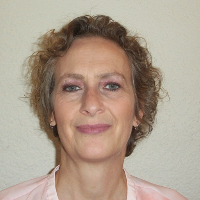
Jasen Livermore
LPC, LCPC
Practical support for stress and life changes
- Stress, Anxiety
- Relationship
- Depression
Wyoming 5 yrs
Clinical social work directory
589 therapists list life purpose among the things they work with. All offer sessions online, and every profile shows the registering body, the membership number and when it runs to.
On this page you will find therapists who focus on life purpose, offering different approaches, experience, and languages. Browse the listings below to review profiles and learn how each professional describes their focus and methods.
Use the filters and read profiles to find therapists whose descriptions resonate with your goals, then reach out to begin a conversation about meaning and direction.
LPC, LCPC
Practical support for stress and life changes
LCPC
Straightforward counseling for stress and relationships
LCPC
Compassionate, practical support for changing inner dialogue
LPC, LCPC
Warm, practical counseling for life transitions
LMHC, LCPC
Practical support for stress and life transitions
MD, LCPC, LPCC
Insight-driven counselor focused on relationships
LCPC
Compassionate, practical support for life’s hard moments
LCPC
Compassionate guidance for life's hard moments
LCPC
Therapist focused on practical support and growth
LCPC, LPC
Hopeful, practical therapy with an experienced clinician
LCPC
Compassionate counseling for practical change
LCPC
Experienced Illinois LCPC focusing on healing and practical change
LCPC, LPC
Compassionate, practical counseling for life changes
LCPC
Calm, practical counseling for everyday challenges
LCPC
Compassionate counselor for addiction and trauma recovery
LCPC, LPC
Supportive, values-focused counseling
MD, LCPC
Calm, practical support for life transitions
LCPC
Practical, evidence-based care for everyday challenges
LCPC
Calm, experienced counselor focused on practical change
MD, LCPC
Compassionate, practical help for stress and loss
LPC, LCPC
Practical, client-centered therapy for overwhelmed adults
LCPC
Practical trauma-informed counseling for adults
LPC, LCPC
Practical guidance for stress and life changes
LCPC
Practical, respectful counseling for everyday struggles
LCPC
Calm, practical support for life’s harder moments
LCPC
Helping people move past stress and rebuild confidence
LCPC
Compassionate, practical therapy for life changes
LPC, LCPC
Practical, goal-focused counseling with warmth
LCPC
Compassionate, practical support for life changes
LCPC
Therapist blending practical tools and listening
LCPC
Relational therapist focused on attachment and practical change
LCPC
Compassionate counselor for stress and relationships
LPC, LCPC
Empowering adults to build steady, lasting change
LPC, LCPC
Practical, goal-focused counseling with warmth
LCPC
Compassionate counselor focused on steady progress
LCPC, LPC
Practical, person-centered counseling for daily life
LCPC
Practical counseling for life transitions
Some links on this page are partner links. We will earn a commission if you sign up through one, at no cost to you. It does not change what you pay or the order of the listings.
Life purpose is a broad way to describe what gives your days meaning, the values that shape your choices, and the sense of direction that motivates long-term plans. It does not have to be a single grand mission; for many people it looks like a collection of priorities - relationships, work that matters to you, creative pursuits, or service to others. When you feel aligned with these priorities you tend to experience more energy, clearer decision making, and a sense of coherence across different parts of life. When purpose feels unclear or absent, you may notice drifting, indecision, or a persistent sense that something is missing.
Life purpose is not fixed. It can evolve as your roles change, as you encounter new opportunities, and as you process losses or transitions. Major life events - a career change, becoming a parent, a relationship transition, or a health challenge - often prompt questions about what matters most. Those questions can feel unsettling and may trigger deeper exploration of values, fears, and long-standing patterns. Therapy for life purpose supports that exploration by giving you space to notice patterns, name priorities, and test small changes that reveal what resonates.
You might consider looking for a therapist who lists life purpose in their focus areas if you find yourself asking persistent questions about meaning, direction, or motivation. You may feel stuck despite making practical changes, or you may change jobs, relationships, or locations and still feel unsettled. A common sign is spending a lot of time imagining an alternative life - a different career, relationship, or identity - without moving toward it. Another sign is chronic dissatisfaction that does not respond to short-term fixes like vacations or social distractions.
Emotional signals can also point to a purpose-related need. You might experience low-level anxiety, restlessness, or a dragging fatigue that follows decisions that are misaligned with your values. Perfectionism and fear of making the wrong choice can freeze you in place. Conversely, sudden bursts of impulsive change, followed by regret, may indicate a mismatch between momentary impulses and deeper values. If you notice these patterns, therapy can help you sort through what is driving them and identify practical steps toward greater alignment.
Early sessions typically focus on establishing a working relationship, clarifying what you want to explore, and identifying immediate concerns. You can expect to talk about your background, current life circumstances, and the values or interests that feel important to you. A therapist will often ask questions to uncover recurring themes, key decisions in your life story, and patterns that influence how you make choices. This information helps shape a collaborative plan for therapy that reflects your pace and priorities.
Ongoing sessions tend to blend self-reflection with concrete experiments. You may use reflective exercises to articulate values, map your life story, or identify strengths and obstacles. At the same time, you may try small behavioral experiments - a short class, a volunteer opportunity, or a project that tests interest and fits with your schedule. Those experiments provide real-world data about what energizes you and what drains you. Therapy for life purpose balances thinking with doing, so you can translate insights into actionable steps.
Because decisions about purpose often touch on fear, loss, and identity, expect some emotional processing as well. You may work through anxieties about change, grief for paths not taken, or the social pressures that shape your choices. Therapy provides a space to examine where those emotions come from and how they affect your decisions. Over time, this can increase your confidence in making choices that reflect your values instead of external expectations.
Therapists who list life purpose as a focus often integrate a range of therapeutic approaches to match your needs. Some describe using cognitive behavioral approaches to identify and reframe thought patterns that block action. Others note narrative approaches that help you reinterpret your life story in a way that opens new possibilities. Motivational techniques can be used to increase readiness for change, and existentially oriented methods invite you to explore meaning, mortality, and freedom of choice in a thoughtful way.
Mindfulness and acceptance-based strategies are often included to help you tolerate the uncertainty inherent in big decisions and to notice what truly matters in the present moment. Creative and expressive modalities can be helpful if words alone feel limiting - for example, expressive writing, art, or role play that reveal new perspectives. When reviewing therapist profiles, pay attention to how practitioners describe their blend of approaches. Some list cognitive behavioral therapy, narrative therapy, acceptance and commitment strategies, psychodynamic perspectives, or coaching-oriented methods among their approaches. This can give you a sense of the tools they may use without implying specific credentials in any single modality.
Online therapy makes it possible to connect with a therapist whose description and approach match what you are looking for, even if they are not located in your immediate area. Sessions generally occur by video or phone and follow a familiar rhythm - an initial intake conversation followed by regular appointments. Online work for life purpose often emphasizes dialogue, exercises you can do between sessions, and practical experiments that fit your daily life. Because purpose work frequently involves testing options in the real world, online sessions can be efficient for planning and processing those experiments.
When you choose to work online, consider how you want to integrate therapy with your lifestyle. Some people take notes during sessions or keep a values journal to report back in the next meeting. You might agree on homework assignments that are short and feasible to complete between sessions. Privacy of the setting you choose for calls matters for your comfort, so plan for a place where you can talk without interruptions. Technology issues can arise, so having a backup plan for phone sessions or rescheduling can reduce stress when connections are unreliable. Overall, online therapy can be a practical way to pursue life purpose work with flexibility and continuity.
Begin by clarifying what you want from therapy - do you want to clarify career direction, reorient your values after a transition, or process emotional barriers to change? Use those priorities to scan profiles for relevant focus areas and approaches. Look for descriptions that resonate with your language about meaning and direction, and note the types of approaches a therapist lists. If you prefer action-oriented work, look for language that emphasizes experimentation and practical steps. If you expect deeper emotional processing, look for descriptions that reference exploration of identity, grief, or existential themes.
Consider practical fit as well. Language, cultural perspective, and clinical background can shape how a therapist understands your experience, so search for profiles that reflect those considerations. Read about their experience in working with populations or life stages similar to yours, and note any languages they list that you speak. When you reach out, you can ask questions about how they typically approach life purpose work and what a few sessions might focus on. A good match is often about how comfortable you feel with a therapist's way of describing their work and how clearly they explain the steps you might take together.
Choosing a therapist is a personal decision and you have permission to explore several profiles before committing. Pay attention to how a therapist communicates in their profile and initial messages, because that communication can give you a sense of their collaborative style. Over time, therapy for life purpose is most effective when you feel heard, understood, and engaged in a process that connects meaning with practical choices. Use the listings on this site to compare approaches, credentials, languages, and experience so you can find someone whose description aligns with the direction you want to explore.