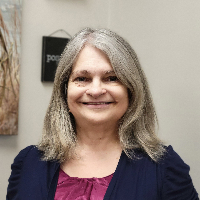
Maria "Patti" Lorenzo
LCPC
Compassionate, practical support for changing inner dialogue
- Trauma and abuse
- Self esteem
- Coping with life changes
Illinois 12 yrs
Clinical social work directory
157 therapists list veterans among the things they work with. All offer sessions online, and every profile shows the registering body, the membership number and when it runs to.
This directory lists therapists who focus on veterans and military-connected adults. Use the profiles below to review approaches, experience, and languages to help guide your search.
LCPC
Compassionate, practical support for changing inner dialogue
LMHC, LCPC
Practical support for stress and life transitions
LPC, LCPC
Compassionate, practical counseling for everyday life
MD, LCPC, LPCC
Insight-driven counselor focused on relationships
LCPC
Compassionate counseling for practical change
LCPC, LPC
Compassionate, practical counseling for life changes
LPC, LCPC
Compassionate counselor for practical life challenges
LCPC
Calm, experienced counselor focused on practical change
LPC, LCPC
Practical, client-centered therapy for overwhelmed adults
LCPC
Practical CBT and mindfulness for real problems
LCPC
Relational therapist focused on attachment and practical change
LCPC
Experienced Maine counselor focused on practical support
LMHC, LCPC
Compassionate counselor for life transitions
LCPC, LPC
Compassionate counselor focused on practical change
LCPC
Straightforward help for everyday struggles
LCPC, LMHC
Compassionate counselor focused on practical change
LCPC
Practical, goal-focused counseling for relationship and mood
LCPC
Practical, experienced counseling for life transitions
LCPC
Guided practical therapy for everyday challenges
LCPC
Practical, person-focused counseling for life challenges
LCPC, LPC
Practical support for stress and life changes
LCPC
Experienced counselor focused on practical skills
LPC, LCPC
Calm practical help for stress and trauma
LPC, LCPC
Practical, compassionate help for emotional struggles
LCPC
Compassionate counselor focused on practical change
LCPC
Compassionate, practical support for life’s hard moments
LCPC, LPC
Practical, respectful counseling for everyday struggles
LPCC, LCPC
Practical, compassionate counseling for daily struggles
MD, LCPC, LPC
Compassionate, practical therapy for real-life change
LCPC
Practical counseling for stress and trauma
LPC, LCPC
Helping people move past stuck patterns
LPC, LCPC
Practical, skills-focused counseling for everyday life
LCPC
Compassionate, practical counseling for everyday challenges
LCMHC, LCPC
Person-centered counseling for recovery and growth
MD, LCPC
Compassionate clinician for stress and relationships
LCMHC, LCPC
Supportive counselor using practical therapies
MD, LCPC
Collaborative, practical care for life transitions
LCPC, LPC
Bilingual counselor focused on practical healing
MD, LCPC, LPC
Experienced counselor focusing on practical change
LCPC
Practical skills and nonjudgmental support
LCPC
Practical, experienced counseling for life stressors
LMHC, LCPC
Compassionate care for anxiety and life changes
LCPC
Support for addiction recovery and life transitions
Some links on this page are partner links. We will earn a commission if you sign up through one, at no cost to you. It does not change what you pay or the order of the listings.
When people refer to veterans in a therapeutic context, they are talking about adults who have served in the military and the particular life experiences that service can involve. Military service can mean exposure to stressful or dangerous situations, frequent relocations, long separations from family, and a culture that values resilience and mission focus. Those elements shape how you see the world, how you respond to stress, and how you form relationships after service. Military-connected adults also include family members whose lives were shaped by a loved one’s enlistment, deployment, or reintegration.
Service can leave lasting impressions on mood, behavior, and relationships without implying illness. You might notice changes in sleep, increased irritability, or difficulty trusting others after deployments or traumatic events. Physical injuries, chronic pain, or functional limitations can intersect with emotional strain. Transitioning from military to civilian life can bring identity questions, career challenges, and adjustments in social roles. Therapy for veterans focuses on the interaction between those experiences and your current goals for work, relationships, and well-being.
You may consider therapy if you notice patterns that interfere with your daily functioning or reduce your quality of life. Sleeplessness, recurring intrusive memories, frequent anger outbursts, avoidance of situations that remind you of service, or increased use of substances to cope are common signals. Relationship strain, trouble concentrating at work or school, and a persistent sense of numbness or disconnection are also reasons people seek support. These experiences do not mean you are weak; they mean you may benefit from a space to process and develop new strategies.
Major life transitions such as leaving the military, changing careers, becoming a parent, or moving to a new community can bring stress and unresolved issues to the surface. If you find that past service-related experiences are shaping decisions you make now, therapy can provide an opportunity to explore those patterns. Many people pursue therapy not just to address symptoms, but to work on goals like improving relationships, managing anger, regaining a sense of purpose, or navigating career changes.
Early sessions usually focus on building rapport and clarifying what you want from therapy. A therapist will typically ask about your service history, current stressors, medical background, and important relationships to understand your context. You and the therapist often set goals together so sessions are purposeful. Those goals can range from symptom reduction to lifestyle adjustments to improving communication with family. The pace and focus depend on your priorities and what you feel comfortable discussing.
Therapy focused on veterans tends to balance safety and challenge. A therapist will generally aim to create a stable environment where you can explore difficult memories and reactions without feeling overwhelmed. Sessions may include skill-building around sleep, emotion regulation, and interpersonal effectiveness, along with opportunities to process specific events. Progress is collaborative and may include homework or practice between sessions to reinforce new skills. You remain in control of what you share and how quickly you work through topics.
Therapists use a range of evidence-informed and experiential approaches to address concerns common among veterans. You might find therapists who list cognitive behavioral therapy among their approaches to work on thought patterns and behaviors that maintain distress. Some profiles note acceptance and commitment approaches that emphasize values and committed action in the face of difficult feelings. Others list narrative or trauma-focused methods that help you reframe or integrate challenging life stories. Mindfulness-based interventions are also commonly described to improve attention and reduce reactivity.
Because many veterans have experienced traumatic events, you may encounter therapists who list specific trauma-focused methods among their approaches, including methods that work with memory processing and symptom reduction. It is appropriate to ask how a therapist applies a particular method and how they pace exposure or memory work. Some therapists combine skill instruction with processing to ensure you have coping strategies before addressing vivid memories. Profiles often note whether therapists work with families or couples to address relational impacts of service as well.
Online therapy expands where and how you can meet with a therapist. Sessions commonly happen through video or phone, and some therapists also use messaging for brief check-ins. Online formats can be especially useful if you live far from specialty providers, work irregular hours, or prefer meeting from your home or another familiar place. You should review a therapist’s profile to learn whether they list telehealth among their approaches and to understand the technologies they use, as that can vary from one professional to another.
To get the most from online sessions, choose a quiet, comfortable environment where you can speak openly and focus. Consider using headphones for better audio and privacy. Clear communication about session length, fees, and how the therapist manages emergency situations is helpful before starting. If you have concerns about how virtual work will feel, you can ask a therapist during an initial conversation how they adapt techniques for video or phone sessions. Many people find that therapeutic connection translates reliably to online settings when expectations are discussed up front.
When you review profiles, look for therapists whose listed focus areas align with your needs - for example, trauma, transition support, bereavement, or family reintegration. Pay attention to the range of approaches noted on profiles if you have preferences for skills-based work, narrative exploration, or mindfulness. Some therapists also mention experience with military culture or transition challenges, which can be useful if you want someone familiar with service-related norms and language. Language options and cultural background can be important if you prefer therapy in a language other than English or want a particular cultural perspective.
Consider asking a few practical questions when you contact a therapist: how they describe their approach to veteran-related concerns, how they measure progress toward your goals, and what initial steps they recommend. It can be helpful to ask how they coordinate care with other professionals if you are working with primary care, VA services, or specialty providers. Reviewing multiple profiles can give you a sense of different styles and approaches, allowing you to select a therapist whose methods and stated focus fit what you want to work on.
Choosing a therapist is a personal decision. Taking time to read profiles, ask questions, and reflect on how a therapist’s approach aligns with your goals helps you find a professional relationship that supports your growth and day-to-day functioning after service.