
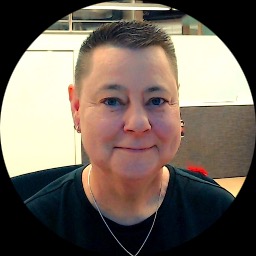
Chris (Christopher) McKillop, LCPC, LCMHC
Licensed in North Carolina · 11 years in practice
Chris (Christopher) McKillop helps people who are facing stress, anxiety, depression, anger, addiction, trauma, grief, parenting strain, and challenges like ADHD or bipolar symptoms.
License and registration
- LCMHC, North Carolina
- 10581 · expires June 2027
- LCPC, Maine
- CC5497 · expires April 2028
- LPCC, California
- 17895 · expires October 2026
- NPI
- 1073925020 · national provider identifier
- Years in practice
- 11
- Languages
- English
Details are as listed on the therapist's public professional profile. You can check any license with the state board and any NPI with the national registry.
About Chris
Chris (Christopher) McKillop helps people who are facing stress, anxiety, depression, anger, addiction, trauma, grief, parenting strain, and challenges like ADHD or bipolar symptoms. He is a licensed clinical professional counselor - LCPC - and a licensed clinical mental health counselor, and he practices from California. His style is calm and straightforward, aimed at making therapy feel understandable for busy people.
He keeps sessions practical. Conversations focus on what is happening now and concrete steps people can try between meetings.
Background and approach
He listens without judgment and helps clients name problems, set small goals, and test new ways of coping. Sessions often include breathing or mindfulness practices and skill-building for handling strong emotions. Chris blends several approaches to fit each person.
He uses techniques from cognitive behavioral therapy to spot unhelpful thinking and from acceptance and commitment therapy to clarify values and take meaningful action. Dialectical behavior therapy tools and client-centered moments help with emotion regulation and building a trusting relationship. Over 11 years he has worked with a wide range of struggles related to mood, stress, identity, and life transitions.
He aims to empower people to feel steadier and more in control, rather than offering quick fixes. The goal is better day-to-day coping and clearer direction. People who reach out will find a calm, practical guide who focuses on collaboration.
Sessions move at a pace set by the client and emphasize skills that fit real life. Chris encourages straightforward conversation about goals and progress so people can see what helps most.
Focus areas and approaches
Everything Chris lists on their public professional profile, in their own terms.
- Stress, Anxiety
- Anger management
- Depression
- Addictions
- LGBT
- Family conflicts
- Trauma and abuse
- Grief
- Parenting issues
- Self esteem
- Career difficulties
- Bipolar disorder
- Coping with life changes
- ADHD
Approaches Chris names
- Acceptance and Commitment Therapy (ACT)
- Client-Centered Therapy
- Cognitive Behavioral Therapy (CBT)
- Dialectical Behavior Therapy (DBT)
- Mindfulness Therapy
- Motivational Interviewing
- Solution-Focused Therapy
- Trauma-Focused Therapy
Naming an approach is not evidence of training in it. This directory copies what each therapist lists and does not check training records.
Online support
Therapeutic approaches and online care
Chris commonly uses cognitive behavioral therapy to help people identify and change unhelpful thoughts and behaviors. CBT breaks problems into small parts and teaches practical skills for mood, anxiety, and stress. Acceptance and commitment therapy is another frequent element; ACT focuses on helping people clarify what matters to them and take steps toward those values while accepting difficult feelings. Client-centered therapy appears in his work as well, providing a respectful, listening-based space where people guide the topics and pace of sessions.Finding the right approach is part of the work together. The therapist discusses goals, preferences, and life demands, then suggests methods to try. Clients and therapist adjust strategies over time so the plan fits what actually helps in daily life.
Online formats include video calls, phone sessions, live chat, and text-based messaging. Video calls allow face-to-face discussion and skill demonstrations. Phone sessions can be easier when bandwidth is limited or when someone prefers not to be on camera. Live chat and text messaging suit quick check-ins, short reflections, or ongoing support between sessions. These options make it easier to fit therapy into work, parenting, and busy schedules.
We will earn a commission if you sign up through our link, at no cost to you. It does not change what you pay or the order of the listings.
Questions people ask
What concerns does Chris focus on?
Chris supports people with stress, anxiety, depression, anger, addictions, trauma and abuse, grief, parenting strain, LGBT concerns, self esteem, career issues, bipolar symptoms, and ADHD.
What is his therapeutic style like?
He uses a calm, nonjudgmental approach that emphasizes practical steps and clear goals. Sessions focus on problem solving, emotion regulation, and skill practice.
How much experience does he have?
He has 11 years of experience working with people facing mood, stress, and life transition issues.
What are his credentials and where is he located?
He holds LCPC and LCMHC credentials and practices in California.
Which languages are supported and can he see people abroad?
Sessions are offered in English and he does not accept international clients at this time.
What session formats are available?
He offers video calls, phone sessions, live chat, and text-based messaging to fit different schedules and needs.
How is cost handled for sessions?
Cost varies with location and therapist availability; sessions use a subscription that can be canceled at any time.
How do I begin working with him?
Start by selecting the Start Therapy button, completing a short matching questionnaire, and then scheduling according to therapist availability.
More therapists in California
See allStacey Sugar
MD, LCPC, LPCC
Insight-driven counselor focused on relationships
- Stress, Anxiety
- Relationship
- Family

Macarena Santelices
MD, LCPC, LPCC
Practical therapy for everyday challenges
- Stress, Anxiety
- Relationship
- Family

Monica Garnett
LCPC, LPC
Calm, practical counseling for everyday struggles
- Stress, Anxiety
- Relationship
- Anger

Nicole Martin
LPCC, LCPC
Practical counseling for stress and life change
- Stress, Anxiety
- Addictions
- Grief
Is this your profile?
Ask us to correct details or take the page down.
Contact us