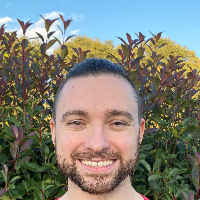
Robert Hickson, LMHC, LCPC
Licensed in Illinois · 11 years in practice
Robert Hickson is a Licensed Mental Health Counselor (LMHC) and a Licensed Clinical Professional Counselor (LCPC) who helps people manage stress, anxiety, depression, and relationship strain.
License and registration
- LCPC, Illinois
- 180.011867 · expires March 2027
- LMHC, New York
- 009359 · expires October 2027
- NPI
- 1265075360 · national provider identifier
- Years in practice
- 11
- Languages
- English
Details are as listed on the therapist's public professional profile. You can check any license with the state board and any NPI with the national registry.
About Robert
Robert Hickson is a Licensed Mental Health Counselor (LMHC) and a Licensed Clinical Professional Counselor (LCPC) who helps people manage stress, anxiety, depression, and relationship strain. He also supports those facing grief, trauma and abuse, compassion fatigue, addictions, and challenges with self-esteem or career changes. Robert has eleven years of experience and works from Illinois while accepting clients internationally when appropriate.
He uses a straightforward, person-focused style. Sessions center on what matters to the individual and move at a practical pace.
Background and approach
He emphasizes empowerment and building skills that fit daily life rather than relying on jargon or tests. Robert draws on approaches such as Acceptance and Commitment Therapy, Cognitive Behavioral Therapy, and Attachment-Based methods to shape sessions. That means clients may work on identifying unhelpful thinking, strengthening values-based choices, and improving how they relate to others.
The exact mix depends on each person’s goals. In the room he aims to make therapy a shared process. He asks questions, listens closely, and uses exercises or reflections when they help.
Expect clear explanations and simple practices to try between meetings. Robert trained at the Chicago School of Professional Psychology and has worked in a range of settings since graduating in 2014. He describes therapy as a collaborative effort and welcomes questions about how he might help with mood disorders, LGBTQ concerns, control issues, forgiveness, and social anxiety.
Focus areas and approaches
Everything Robert lists on their public professional profile, in their own terms.
- Stress, Anxiety
- Relationship issues
- Self esteem
- Depression
- Compassion fatigue
- Addictions
- LGBT
- Family conflicts
- Trauma and abuse
- Grief
- Anger management
- Career difficulties
- Bipolar disorder
- Coping with life changes
- Control issues
- Forgiveness
- Mood disorders
- Post-traumatic stress
- Self-love
- Social anxiety and phobia
Approaches Robert names
- Acceptance and Commitment Therapy (ACT)
- Attachment-Based Therapy
- Client-Centered Therapy
- Cognitive Behavioral Therapy (CBT)
- Emotionally-Focused Therapy (EFT)
- Existential Therapy
- Mindfulness Therapy
- Narrative Therapy
- Psychodynamic Therapy
- Trauma-Focused Therapy
Naming an approach is not evidence of training in it. This directory copies what each therapist lists and does not check training records.
Online support
Approaches that guide online work and your goals
Acceptance and Commitment Therapy (ACT) focuses on clarifying personal values and taking actions that align with those values, even when uncomfortable thoughts or feelings appear. It helps with depression, anxiety, and coping with life changes by teaching willingness and practical exercises. Cognitive Behavioral Therapy (CBT) looks at patterns of thinking and behavior that maintain distress and uses straightforward skills to shift those patterns, which can help with anxiety, mood disorders, and social phobia. Attachment-Based Therapy explores how early relationship patterns affect current connections and emotional reactions, offering ways to change how someone relates and feels close to others.Finding the right approach is part of the work. The therapist will collaborate with each person to decide which methods fit their goals, preferences, and everyday life. That choice can change over time as progress is made or new challenges appear.
Online therapy offers flexibility for people balancing work, caregiving, or travel. Video calls provide face-to-face conversation for deeper emotional work, phone sessions are useful when bandwidth is limited or a shorter check-in is needed, and live chat or text messaging work well for ongoing support between sessions or for those who prefer writing. These options make it easier to schedule consistent sessions and try different formats to see what helps most.
We will earn a commission if you sign up through our link, at no cost to you. It does not change what you pay or the order of the listings.
Questions people ask
What kinds of concerns does Robert address?
He works with stress, anxiety, depression, relationship issues, grief, trauma and abuse, compassion fatigue, addictions, bipolar and mood disorders, and related concerns such as self-esteem and social anxiety.
What is his general therapy style?
His style is client-centered and collaborative, focusing on practical steps and empowerment. Sessions emphasize clear explanations and skills people can use between meetings.
How much clinical experience does he have?
Robert has eleven years of experience working in multiple settings since graduating in 2014 from the Chicago School of Professional Psychology.
What credentials and region are listed?
He holds LMHC and LCPC credentials and practices from Illinois while also holding a New York LMHC designation.
Which languages and international arrangements are supported?
Sessions are offered in English and he accepts international clients when appropriate.
How can sessions be conducted?
Sessions can be held via video calls, phone sessions, live chat, or text-based messaging depending on what works best for the client.
How are fees handled?
Costs vary by location and therapist availability; sessions use a subscription model that can be canceled at any time.
What steps are involved in starting therapy?
Begin by selecting the Start Therapy button, complete a short matching questionnaire, and then schedule sessions based on the therapist's availability.
More therapists in Illinois
See allCrystal Williams
LCPC
Practical support for stress and life transitions
- Stress, Anxiety
- Grief
- Self esteem

Troy Gibson
LCPC
Straightforward counseling for stress and relationships
- Stress, Anxiety
- LGBT
- Relationship

Susan Rick
LCPC
Practical support for stress and emotional challenges
- Stress, Anxiety
- Trauma and abuse
- Self esteem

Maria "Patti" Lorenzo
LCPC
Compassionate, practical support for changing inner dialogue
- Trauma and abuse
- Self esteem
- Coping with life changes

Is this your profile?
Ask us to correct details or take the page down.
Contact us