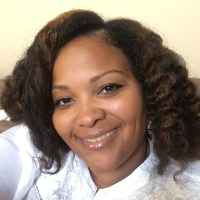
Tanya Vincent
MD, LCPC
Practical, collaborative counseling for everyday struggles
- Stress, Anxiety
- Relationship
- Family
Maryland 10 yrs
Clinical social work directory
66 therapists list Gottman Method among the ways they work. Naming an approach is not evidence of training in it, so ask directly how they use it.
The Gottman Method is a structured approach to relationship work that emphasizes communication, emotional connection, and practical skills for couples. Below you can browse therapists who list the Gottman Method among their approaches and learn how this model may fit your needs.
MD, LCPC
Practical, collaborative counseling for everyday struggles
LPC, LCPC
Warm, practical counseling for life transitions
LCPC
Compassionate, practical support for life’s hard moments
LCPC
Compassionate guidance for life's hard moments
LCPC
Calm, experienced counselor focused on practical change
LCPC
Practical, strengths-based counseling for common struggles
LCPC
Calm, practical support for life’s harder moments
LCPC
Compassionate, practical therapy for life changes
LCPC
Compassionate counselor focused on steady progress
LMHC, LCPC
Compassionate counselor for life transitions
LCPC, LPC
Compassionate counselor focused on practical change
LCPC
Practical, person-focused counseling for life challenges
LCPC
Helping people reshape relationships and confidence
LPC, LCPC
Practical strategies for lasting life changes
LCPC
Practical, person-centered care for everyday struggles
LCPC, LPC
Practical counseling for people feeling stuck
LPC, LCPC
Practical, straightforward counseling for life transitions
LCPC
Compassionate counselor focused on practical change
LCPC, LPCC
Compassionate, practical therapy for life transitions
LCPC
Compassionate, practical therapy for real-life struggles
LPC, LCPC
Compassionate counselor blending therapy and coaching
LPC, LCPC
Practical goal-focused counseling for real change
LPC, LCPC
Supportive counselor combining skills and compassion
LPC, LCPC
Practical therapy for relationship and sexual concerns
LPC, LCPC
Practical, open-minded counseling for life’s challenges
LMHC, LCPC
Compassionate clinical counselor focused on practical change
LCPC
Practical, respectful therapy for mood and anxiety
LCMHC, LCPC
Compassionate, practical counseling for everyday struggles
LCPC, LPC
Compassionate, practical therapy for life’s challenges
LCPC, LMHC
Empathetic counselor using practical therapy approaches
LCPC
Practical, compassionate therapy for everyday struggles
LCPC
Trusted LCPC counselor in Illinois
LCPC
Calm, practical counseling for life changes
LCPC
Insightful counselor guiding practical change
LCPC, LPC
Practical, collaborative counseling for everyday challenges
LCPC
Practical, compassionate therapy for everyday struggles
LCPC
Practical, experienced counseling for life transitions
LCPC
Experienced counselor helping people find clearer choices
LPC, LCPC
Practical counseling for everyday struggles
MD, LCPC, LMHC
Warm, direct counseling for relationship and life stress
LMHC, LCPC
Understanding, practical therapy for life challenges
Some links on this page are partner links. We will earn a commission if you sign up through one, at no cost to you. It does not change what you pay or the order of the listings.
The Gottman Method is an approach to couples counseling that focuses on observable interaction patterns, emotional attunement, and skill-building to improve relational functioning. It grew from clinical observation and studies of couples, and its sessions often center on improving friendship, increasing positive interactions, and reducing the negative behaviors that erode trust and connection. Core principles include enhancing a couple's ability to manage conflict constructively, deepening the emotional bond through shared meaning, and teaching specific communication tools that you can use outside of sessions. Rather than relying solely on talk or insight, the approach integrates assessment, feedback, skills practice, and measurable goals so you and your partner can see tangible changes over time.
When a therapist uses Gottman-informed ideas, they typically begin with an assessment of how you and your partner relate to one another - your strengths, areas of disconnection, and recurring cycles that trigger distress. From that starting point, the therapist works with you to create a focused plan with short-term and long-term objectives. The emphasis on a shared therapeutic road map means sessions are often active and skill-oriented rather than purely exploratory. You can expect a balance of understanding the emotional context of your relationship and practicing new ways to communicate, repair, and build intimacy that are tailored to your particular dynamics.
You will often find the Gottman Method applied when couples bring concerns about recurring conflict, drifting apart, difficulty managing anger, or repeated patterns that leave one or both partners feeling unheard or disconnected. It is commonly used for improving everyday communication, rebuilding trust after breaches, managing differences around parenting and money, and reducing the frequency and intensity of arguments. Therapists may also apply Gottman ideas when couples are experiencing life transitions that strain the relationship, such as blending families, career changes, or shifts in intimacy. The approach lends itself to both repairing immediate problems and strengthening the overall friendship and teamwork that underpin long-term relationships.
If you are looking to break cycles of criticism, stonewalling, or withdrawal, the Gottman Method's focus on specific interactional changes can offer clear pathways forward. Because it blends skills training with emotional exploration, it can help when you want practical tools to use between sessions as well as deeper understanding of how past experiences shape current conflicts. That said, couples facing complex issues such as severe mental health conditions, active substance misuse, or situations involving safety concerns may need additional or different supports alongside couples work. A therapist who lists the Gottman Method among their approaches can often help you determine whether this model is a good match for the challenges you bring.
A typical session with a therapist who works with Gottman-informed methods balances assessment, feedback, and practice. Early sessions often include structured interviews where each partner describes the relationship history, current concerns, and areas of strength. Many therapists also use questionnaires or observational tasks to map interaction patterns. You can expect the therapist to offer feedback on their observations and to collaboratively set goals for what you want to change. Later sessions usually focus on teaching and rehearsing specific skills - for example, techniques for softening start-ups during conflict, methods for rebuilding trust, or rituals to enhance everyday connection. The therapist will frequently have you practice these skills during the session and assign exercises to try at home so you can consolidate new habits.
Between-session work is a common feature of the Gottman approach. You may be asked to keep brief logs of interactions, practice particular conversation techniques, or engage in guided activities designed to increase positive moments and shared meaning. These practices are intended to create momentum and give you concrete evidence of change. The emphasis on applying skills outside the therapy room means that progress often depends on consistent effort and willingness to experiment with different ways of relating. Your therapist can help tailor exercises so they fit your schedule and comfort level while still promoting steady improvement.
The Gottman Method differs from other therapy approaches in its explicit focus on observable interaction patterns and practical skill development. While psychodynamic or emotion-focused therapies might prioritize exploring past experiences and internal emotional processes, Gottman-informed work tends to emphasize measurable changes in how partners communicate and respond to each other. Cognitive-behavioral methods share a focus on skills, but Gottman work specifically integrates a relationship-centered assessment with interventions designed to strengthen friendship, manage conflict, and build shared meaning. This blend of empirically informed tools and a focus on the couple as a unit creates a pragmatic style that many people appreciate when they want concrete ways to alter daily dynamics.
Compared to more open-ended individual counseling, Gottman-informed couples work usually follows a clearer agenda and timetable focused on relationship outcomes. You may experience more structured exercises, targeted homework, and regular progress reviews. This does not mean there is no room for exploring emotions or history; rather, those explorations are often directed toward improving present interaction patterns. If you prefer a therapy that combines insight with direct practice and measurable goals, the Gottman Method may offer a different rhythm and emphasis than therapies that center primarily on personal exploration or symptom reduction.
You might be a good candidate for Gottman-informed work if you are motivated to learn new ways of relating, willing to do between-session practice, and looking for a model that addresses both emotion and behavior. Couples who value a practical, skills-based approach and want clear strategies for communication and conflict management often find this work useful. The method can be adapted to a wide range of relationship styles and life stages, though it works best when both partners are willing to participate and try out recommended exercises. If you are concerned about safety, coercion, or ongoing harm in the relationship, prioritize addressing those issues first and seek support that can manage safety planning alongside or before couples work.
When you begin your search, look for therapists who list the Gottman Method among their approaches and who also describe experience with couples work, relationship counseling, or related areas that match your concerns. Pay attention to the therapist's stated background in working with the kinds of issues you face, such as communication difficulties, trust repair, parenting conflicts, or life transitions. Consider practical match factors as well - whether you prefer in-person or remote sessions, what languages are offered, and whether the therapist's stated approach to goal-setting and homework aligns with your expectations. Many therapists provide an introductory description of how they work; reading that can help you form questions to ask during an initial conversation. Asking about how they structure sessions, how they measure progress, and how they handle situations where one partner is less engaged can give you a clearer sense of fit. Choosing a therapist is as much about interpersonal rapport and comfort as it is about theoretical orientation, so prioritize finding someone whose style encourages honest communication and growth for both partners.