
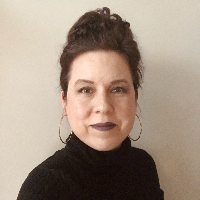
Amie Bishop, LPC, LCPC
Licensed in Florida · 14 years in practice
Amie Bishop is a licensed professional counselor who brings 14 years of experience to her work.
License and registration
- LMHC, Florida
- MH17540 · expires March 2027
- LPC, Colorado
- LPC.0020418 · expires August 2027
- LCPC, Nevada
- CP5772-R · expires January 2028
- LPC, Oregon
- C9525 · expires September 2027
- LCMHC, Utah
- 14235772-6004 · expires September 2026
- LPC, Michigan
- 6401225460 · expires August 2028
- LPC, Arizona
- LPC-24144 · expires July 2027
- LCPC, Montana
- BBH-LCPC-LIC-81174 · expires December 2026
- LPC, Texas
- 100802 · expires September 2027
- LPC, Virginia
- 0701015328 · expires June 2026
- LMHC, Washington
- LH70005025 · expires September 2026
- NPI
- 1932554151 · national provider identifier
- Years in practice
- 14
- Languages
- English
Details are as listed on the therapist's public professional profile. You can check any license with the state board and any NPI with the national registry.
About Amie
Amie Bishop is a licensed professional counselor who brings 14 years of experience to her work. She practices as an LCPC in Nevada and holds an LPC in Michigan, and she works with people facing stress, anxiety, depression, addictions, trauma, and relationship concerns.
Her approach is open and nonjudgmental, and she aims to create a calm space where people can start to feel heard and understood. Amie favors practical, person-centered conversations.
Background and approach
She uses techniques from client-centered therapy and cognitive behavioral therapy to help people notice unhelpful patterns and try small changes. She also draws on dialectical behavior therapy and emotion-focused ideas when emotional regulation or relationship patterns are central. Sessions are geared toward clear goals.
Amie helps people set reasonable steps and track progress. She emphasizes communication skills, coping tools, and strategies for improving sleep, managing anger, or addressing addictive behaviors. She has experience supporting people through grief, chronic health issues, cancer, and compassion fatigue.
Amie is also familiar with attachment issues, BDSM and kink topics, and concerns that intersect with the criminal justice system or homelessness. Work can happen by video, phone, live chat, or text messaging to fit different schedules. Amie accepts international clients and offers flexible formats to match each person’s life and needs.
Focus areas and approaches
Everything Amie lists on their public professional profile, in their own terms.
- Stress, Anxiety
- Addictions
- Relationship issues
- Family conflicts
- Depression
- LGBT
- Trauma and abuse
- Grief
- Intimacy-related issues
- Sleeping disorders
- Parenting issues
- Anger management
- Self esteem
- Career difficulties
- Bipolar disorder
- Coping with life changes
- Coaching
- Compassion fatigue
- Antisocial personality
- Attachment issues
- BDSM, kink, and alternative sex culture
- Cancer
- Chronic pain, illness, and disability
- Co-morbidity
- Codependency
- Commitment issues
- Communication problems
- Control issues
- Coping with natural or human-caused disaster
- Dependent personality
- Disruptive Mood Dysregulation Disorder (DMDD)
- Divorce and separation
- Domestic violence
- Drug and alcohol addiction
- Family of origin issues
- Family problems
- First responder issues
- Forgiveness
- Guilt and shame
- HIV / AIDS
- Hoarding
- Impulsivity
- Infidelity
- Isolation / loneliness
- Life purpose
- Men's issues
- Midlife crisis
- Money and financial issues
- Mood disorders
- Panic disorder and panic attacks
- Polyamory / non-monogamous relationships
- Postpartum depression
- Post-traumatic stress
- Pregnancy and childbirth
- Process addiction (porn, exercise, gambling)
- Seasonal Affective Disorder (SAD)
- Self-love
- Sex addiction
- Sexual assault and abuse
- Sexual dysfunction
- Sexuality
- Smoking / vaping cessation
- Social anxiety and phobia
- Trichotillomania
- Visually impaired
- Women's issues
- Workplace issues
- Young adult issues
Approaches Amie names
- Client-Centered Therapy
- Cognitive Behavioral Therapy (CBT)
- Dialectical Behavior Therapy (DBT)
- Emotionally-Focused Therapy (EFT)
- Gottman Method
- Mindfulness Therapy
- Motivational Interviewing
- Narrative Therapy
- Solution-Focused Therapy
- Trauma-Focused Therapy
Naming an approach is not evidence of training in it. This directory copies what each therapist lists and does not check training records.
Online support
Therapeutic approaches and how they work online
Client-centered therapy focuses on understanding each person where they are and following their lead to build trust and clarity. It helps people who need acceptance, listening, and gentle guidance to make changes. Cognitive behavioral therapy, or CBT, looks at unhelpful thoughts and behaviors and teaches practical skills to reduce anxiety, improve mood, and change routines that cause distress. DBT, or dialectical behavior therapy, emphasizes emotional regulation, distress tolerance, and better communication for people who feel overwhelmed by intense emotions.Finding the best approach is part of the process. The therapist works collaboratively to match methods to the client's goals, preferences, and the issues they bring. Sessions may shift over time so techniques and focus can change as progress is made.
Online therapy here uses video calls, phone sessions, live chat, and text-based messaging to increase flexibility. Video is useful for in-depth conversations and nonverbal cues. Phone sessions can fit into a short break or when lower bandwidth is needed. Live chat or text messaging works well for brief check-ins, homework support, or people who prefer typing. These options make it easier to fit therapy into busy lives and different schedules.
We will earn a commission if you sign up through our link, at no cost to you. It does not change what you pay or the order of the listings.
Questions people ask
What concerns does this therapist address?
Common concerns include stress, anxiety, depression, addictions, trauma and abuse, grief, relationship and intimacy issues, parenting and career stress, bipolar symptoms, and sleep problems.
What is the therapist's general approach in sessions?
Sessions combine a person-centered style with practical techniques from cognitive behavioral therapy and dialectical behavior therapy to build coping skills and improve communication.
What kind of experience does the therapist have?
She has 14 years of clinical experience working with people affected by trauma, substance use, disaster response, chronic illness, and relationship difficulties.
Where is the therapist licensed and based?
She holds an LPC in Michigan and an LCPC in Nevada and is listed as working from Florida for this profile.
Which languages and international options are supported?
Sessions are offered in English, and she accepts international clients.
What session formats are available?
Work can be done via video calls, phone sessions, live chat, or text-based messaging to fit different schedules and preferences.
How is cost handled for sessions?
Cost varies with location and therapist availability; sessions use a subscription model that can be canceled at any time.
How do I begin working together?
To start, select the Start Therapy button, complete a short matching questionnaire, and schedule sessions according to the therapist's availability.
More therapists in Florida
See allSamuel Rosenblatt
MD, LCPC, LMHC
Compassionate, practical therapy for common struggles
- Stress, Anxiety
- Relationship
- Family

Kirsten Guiliano
LMHC, LCPC
Practical support for anxiety and life transitions
- Stress, Anxiety
- Relationship
- Grief

Wanda Barnes
LCPC, LMHC
Compassionate counselor for life’s big challenges
- Stress, Anxiety
- Relationship
- Bipolar

Felicia Nicosia
LCPC, LMHC
Support for stress, mood, and life transitions
- Stress, Anxiety
- Grief
- Self esteem
Is this your profile?
Ask us to correct details or take the page down.
Contact us