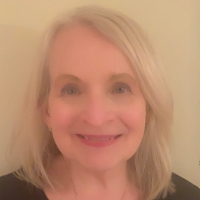
Maria "Patti" Lorenzo
LCPC
Compassionate, practical support for changing inner dialogue
- Trauma and abuse
- Self esteem
- Coping with life changes
Illinois 12 yrs
Clinical social work directory
75 therapists list Internal Family Systems among the ways they work. Naming an approach is not evidence of training in it, so ask directly how they use it.
Internal Family Systems (IFS) is an approach that sees the mind as made up of distinct parts and emphasizes compassionate, curiosity-based work to promote inner balance. Below you can browse therapists who list Internal Family Systems among their approaches to compare specialties, credentials, and languages.
LCPC
Compassionate, practical support for changing inner dialogue
LCPC
Compassionate guidance for life's hard moments
LCPC
Therapist focused on practical support and growth
LCPC
Compassionate counseling for practical change
LCPC
Calm, practical counseling for everyday challenges
LCPC
Compassionate counselor for addiction and trauma recovery
LCPC
Practical, relationship-focused therapy for life challenges
LCPC
Calm, experienced counselor focused on practical change
LPC, LCPC
Practical, client-centered therapy for overwhelmed adults
LCPC
Calm, practical support for life’s harder moments
LCPC
Guided practical therapy for everyday challenges
LCPC, LPC
Practical, down-to-earth counseling for life challenges
LPC, LCPC
Compassionate skills-based care for daily life
LCPC
Compassionate counselor focused on practical change
MD, LCPC
Experienced Maryland counselor focusing on practical change
LCPC
Straightforward counseling with practical steps
LPCC, LCPC
Practical, compassionate counseling for daily struggles
LCPC
Practical, person-centered care for everyday struggles
MD, LCPC
Compassionate counselor focused on practical change
LCPC
Practical, steady support for everyday challenges
LPC, LCPC
Practical goal-focused counseling for real change
LPC, LCPC
Supportive counselor combining skills and compassion
LCPC
Compassionate, practical counseling for life changes
MD, LCPC
Practical support for relationship and family strain
LCPC
Practical, faith-informed counseling for everyday struggles
LCPC
Calm parts work for stress and trauma
LCPC
Practical, down-to-earth counseling for life challenges
LCPC, LPC
Compassionate counselor focused on practical coping
LCPC, LPC
Compassionate, practical therapy for life challenges
LCPC
Helping people find clearer thinking and calmer days
LMHC, LCPC
Compassionate clinical counselor focused on practical change
LCPC
Compassionate, experienced therapist focused on practical help
LCMHC, LCPC
Compassionate, practical counseling for everyday struggles
LCPC
Practical, respectful therapy for real-life struggles
LCPC, LPC
Practical support for stress and parenting challenges
MD, LCPC
Compassionate, practical counseling for everyday struggles
LCPC, LPC
Practical, collaborative counseling for everyday challenges
LCPC
Practical, compassionate therapy for everyday struggles
LCPC
Experienced counselor helping people find clearer choices
Some links on this page are partner links. We will earn a commission if you sign up through one, at no cost to you. It does not change what you pay or the order of the listings.
Internal Family Systems is a model that frames the psyche as a system of interacting parts, each with its own perspectives, feelings, and roles. Rather than labeling parts as simply good or bad, the approach invites you to get to know these internal voices and tendencies with a stance of curiosity. A central concept is the Self - a core state characterized by qualities such as calmness, clarity, compassion, curiosity, confidence, and creativity. The goal of IFS work is for the Self to take a lead role in the internal system so parts feel heard, understood, and less burdened by extreme emotions or behaviors.
IFS distinguishes between protective parts that adopt strong behaviors to keep you safe from perceived threats and parts that hold pain, fear, or shame from past experiences. Therapists who use IFS often help you build an internal map that identifies these protectors and vulnerable parts, then guide you in developing a dialogue between Self and parts. The process emphasizes nonjudgmental attention - noticing what arises without forcing change - and supports gradual shifts in how parts relate to one another. This relational, intra-psychic perspective informs how sessions are structured and how progress is measured, with an emphasis on greater internal harmony rather than symptom eradication alone.
You will find IFS used for a wide range of concerns where internal conflicts, strong emotions, or repeated behavioral patterns play a role. People often turn to therapists who list IFS among their approaches for issues such as persistent anxiety, depression, obsessive thinking, and relationship difficulties that reflect recurring internal dynamics. Because IFS attends to parts that hold painful memories or intense affect, it is commonly used by those coping with trauma histories, complex grief, or disturbances in self-concept.
Beyond mood and trauma-related concerns, IFS is also applied to struggles with addiction-related patterns, compulsive behaviors, eating concerns, and self-sabotaging habits. Many people appreciate IFS for addressing the inner voices that undermine goals - for example, a part that criticizes while another numbs with food or substances. Therapists who list IFS often pair it with other approaches depending on your needs, tailoring their work to the issues you bring and the pace at which you want to proceed.
A typical IFS session begins with checking in on how you are feeling and whether any particular part is especially present that day. Your therapist will invite you to notice internal experience and to describe what a part feels like, where you sense it in the body, and the beliefs or roles it carries. Rather than trying to suppress or challenge a part, the focus is on developing a relationship with it - asking what it is trying to protect you from and what it needs in order to feel safe enough to step back.
Sessions include guided attention to internal images and sensations, and the therapist may help you create a neutral mental space where you can converse with a part from the Self perspective. Over time, you may engage in unburdening work - a process in which parts are allowed to release extreme emotions or beliefs they have carried. Homework between sessions often involves practicing mindful noticing and friendly curiosity toward parts that appear in daily life. Session length and frequency vary by clinician, but the structure typically balances present-moment exploration, reflective dialogue, and practical steps you can take to foster greater Self-led functioning.
IFS differs from approaches that focus primarily on changing thoughts or behaviors by inviting you to cultivate inner relationships rather than attempting direct correction. Compared with cognitive approaches that target thought patterns, IFS privileges the relational stance - understanding why a part thinks or acts the way it does before trying to modify its behavior. This can help bypass resistance that sometimes emerges when parts feel attacked by corrective interventions.
Compared with psychodynamic frameworks, IFS shares an interest in internal conflicts and developmental origins but offers a more explicit map of interacting parts and a practical method for engaging them. In relation-focused therapies, IFS can complement work by clarifying how internal parts influence your interactions with others. When compared to mindfulness-based approaches, IFS uses mindful attention as a tool for developing Self leadership, integrating present-moment awareness with dialogic work. Because many therapists integrate methods, you may encounter clinicians who use IFS language alongside other therapeutic tools; when reviewing profiles, note how they describe integration so you know what to expect.
IFS can be a fit if you are curious about internal experience, willing to engage in reflective work, and interested in exploring patterns that repeat across relationships and situations. People who benefit often value an approach that treats inner conflict with compassion rather than judgment. At the same time, if you have histories of significant dissociation or very intense trauma, you may prefer to work with a clinician who describes experience addressing those complexities and who can explain how they scaffold IFS work to support stabilization.
When looking for a therapist who lists Internal Family Systems among their approaches, use directory profiles to compare the clinician's stated specialties, credentials, and population focus. Read their description of how they integrate IFS into their overall practice and look for information about the types of clients they typically work with or the settings in which they practice. It can help to note practical details such as session format, languages offered, and how they describe their therapeutic philosophy. If a profile resonates, reach out to ask questions about how they approach parts work, how they handle intense emotions during sessions, and what a typical course of therapy might involve. Gathering this information will help you choose a clinician whose style and focus align with your needs so you can begin work in a way that feels clear and collaborative.
Internal Family Systems offers a relational, curiosity-based framework for understanding inner conflict and cultivating Self-led change. By learning to dialog with and care for your parts, you can shift how internal dynamics show up in day-to-day life. Use the listings below to explore therapists who list Internal Family Systems among their approaches, read their profiles, and reach out to the clinicians whose descriptions align with the kind of work you want to pursue.