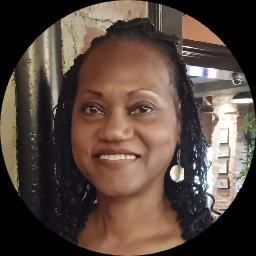
Dr. Athena Porter, LCPC
Licensed in Illinois · 21 years in practice
Dr. Athena Porter brings more than 21 years of experience to her counseling work in Illinois.
License and registration
- LCPC, Illinois
- 180.002727 · expires March 2027
- NPI
- 1306942107 · national provider identifier
- Years in practice
- 21
- Languages
- English
Details are as listed on the therapist's public professional profile. You can check any license with the state board and any NPI with the national registry.
About Athena
Dr. Athena Porter brings more than 21 years of experience to her counseling work in Illinois. She holds an LCPC and a doctorate in Clinical/Community Psychology and focuses on practical ways to reduce stress and manage mood.
She keeps language simple and direct so worried parents and busy people can follow along. Her sessions typically focus on problems like anxiety, depression, bipolar mood shifts, trauma, and addiction. She also helps with relationship strain, parenting stress, career concerns, and trouble with self esteem.
Background and approach
Clients can expect clear tools they can use between sessions. Dr. Porter draws on cognitive behavioral methods to help people change unhelpful thinking and behavior.
She also uses dialectical behavior strategies to teach emotion regulation and coping skills. Mindfulness and existential ideas are woven in to help people find meaning and calm amid life changes. Her background includes community psychology work across the Chicago area, other U.S. cities, and projects in Ghana.
That work has included public presentations, awareness campaigns, and outreach on topics such as suicide prevention, substance use, PTSD, and smoking cessation. This experience shapes a practical, outreach-minded perspective in her therapy. Sessions often combine short-term problem solving with coaching for longer-term goals.
Dr. Porter offers straightforward guidance, homework assignments that build skills, and compassionate listening. She aims to help people move from crisis to steadier functioning and clearer choices.
Focus areas and approaches
Everything Athena lists on their public professional profile, in their own terms.
- Stress, Anxiety
- Anger management
- Self esteem
- Depression
- Coping with life changes
- Addictions
- Relationship issues
- Family conflicts
- Trauma and abuse
- Grief
- Intimacy-related issues
- Parenting issues
- Career difficulties
- Bipolar disorder
- Coaching
- ADHD
- Caregiver issues and stress
- Communication problems
- Coping with natural or human-caused disaster
- Family of origin issues
- Isolation / loneliness
- Midlife crisis
- Veteran and Armed Forces Issues
- Mood disorders
- Multicultural concerns
- Panic disorder and panic attacks
- Paranoia
- Post-traumatic stress
- Prejudice and discrimination
- Seasonal Affective Disorder (SAD)
- Smoking / vaping cessation
- Social anxiety and phobia
- Women's issues
- Young adult issues
Approaches Athena names
- Cognitive Behavioral Therapy (CBT)
- Dialectical Behavior Therapy (DBT)
- Existential Therapy
- Hypnotherapy
- Mindfulness Therapy
- Psychodynamic Therapy
- Solution-Focused Therapy
- Trauma-Focused Therapy
Naming an approach is not evidence of training in it. This directory copies what each therapist lists and does not check training records.
Online support
How therapeutic approaches translate online
Dr. Porter commonly uses Cognitive Behavioral Therapy and Dialectical Behavior Therapy in online sessions. CBT focuses on identifying unhelpful thoughts and testing them with clear behavioral experiments, which works well for anxiety, depression, and panic. DBT teaches concrete skills for emotion regulation, distress tolerance, and better communication, which helps with strong moods and relationship stress.She also draws on mindfulness practices to slow down reactivity and on existential ideas to help people find meaning during life transitions. Choosing an approach is collaborative; the therapist and client review symptoms, goals, and daily routines and then try strategies that fit the person's life. Adjustments are made as progress and needs become clearer.
Online therapy offers practical benefits for this work. Video calls let the therapist and client use visual cues for skill practice and role play. Phone sessions are useful for brief check-ins or when bandwidth is limited. Live chat and text messaging make it easier to get short coaching reminders, track homework, or check in between longer sessions. These options aim to make regular therapy easier to fit into busy families and work schedules.
We will earn a commission if you sign up through our link, at no cost to you. It does not change what you pay or the order of the listings.
Questions people ask
What concerns does she address?
She works with stress, anxiety, depression, bipolar disorder, trauma and abuse, addictions, relationship and family difficulties, parenting stress, grief, and related issues such as ADHD and panic.
How would you describe her therapy style?
Her style is practical and straightforward, focusing on skill building, short homework tasks, and clear strategies people can use between sessions.
What is her professional background?
She holds a doctorate in Clinical/Community Psychology and has practiced for 21 years, including community outreach and public education work in Illinois and abroad.
Where is she licensed and based?
She is an IL LCPC and practices in Illinois.
Can sessions be conducted in other languages or internationally?
Sessions are offered in English and she is not accepting international clients.
What session formats are available?
She offers video calls, phone sessions, live chat, and text-based messaging to fit different schedules and needs.
How is payment handled?
Cost varies by location and therapist availability; sessions use a subscription model that can be canceled at any time.
How do I begin working with her?
Click the Start Therapy button, complete a short matching questionnaire, then schedule sessions according to therapist availability.
More therapists in Illinois
See allCrystal Williams
LCPC
Practical support for stress and life transitions
- Stress, Anxiety
- Grief
- Self esteem

Troy Gibson
LCPC
Straightforward counseling for stress and relationships
- Stress, Anxiety
- LGBT
- Relationship

Susan Rick
LCPC
Practical support for stress and emotional challenges
- Stress, Anxiety
- Trauma and abuse
- Self esteem

Maria "Patti" Lorenzo
LCPC
Compassionate, practical support for changing inner dialogue
- Trauma and abuse
- Self esteem
- Coping with life changes

Is this your profile?
Ask us to correct details or take the page down.
Contact us